
5G Phones UK
Searching for 5G phones UK shoppers can actually rely on? This guide breaks down what 5G genuinely improves over 4G, where UK coverage is strong (and where it still isn’t), and exactly which refurbished iPhone and Samsung Galaxy generations support it. We’ll also cover the battery trade-offs, future-proofing, and how to confirm any specific handset is truly 5G-capable before you buy.
Sort by:
Sort


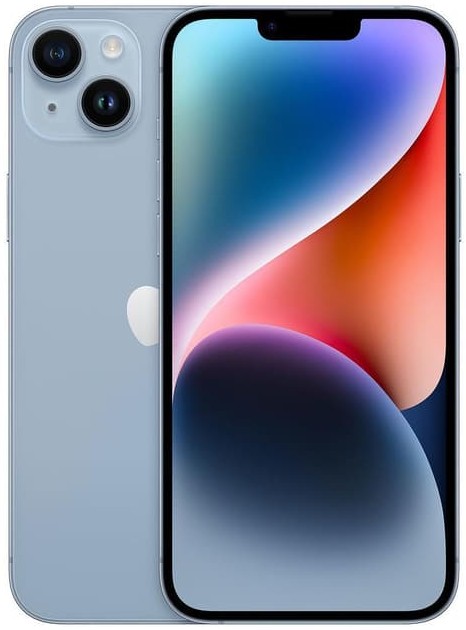




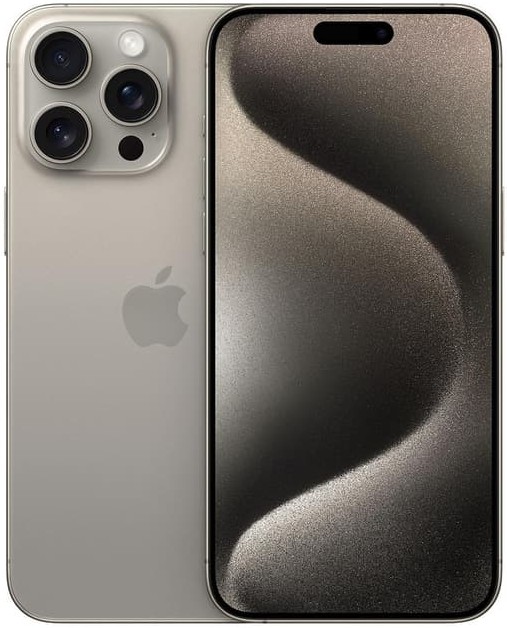


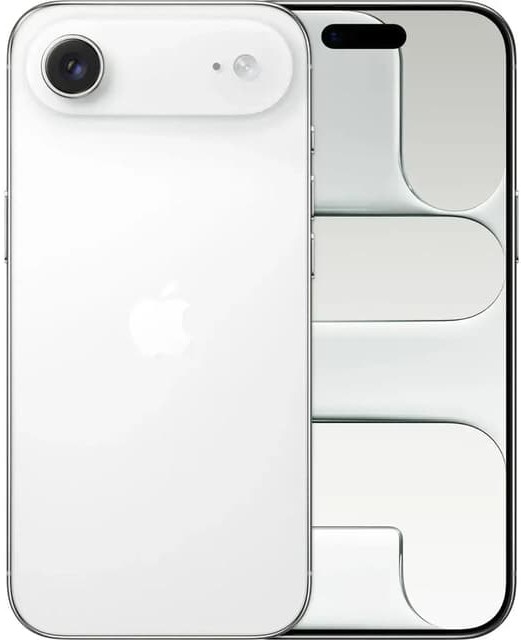


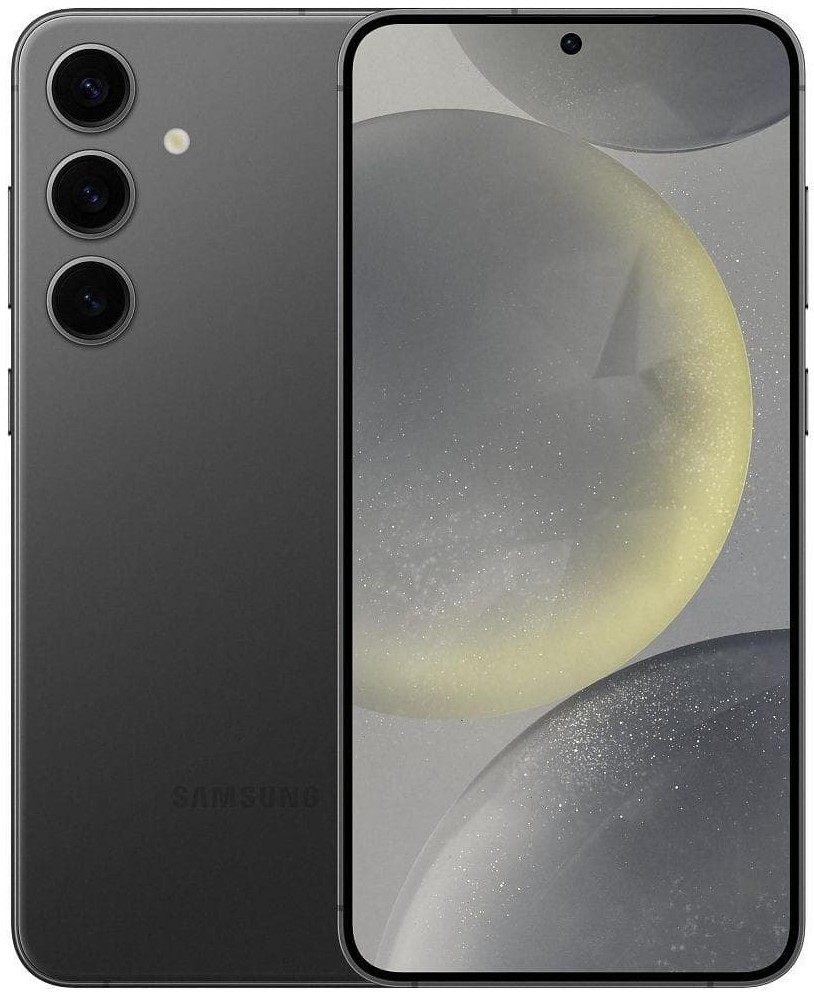



Free UK Delivery

12 months warranty

Good for the Planet, Great for You

Tested Refurbished
5G phones UK shoppers are searching for right now usually fall into two camps: people who assume every new handset automatically means blistering download speeds everywhere they go, and people who have heard 5G is mostly marketing and haven’t bothered looking further. The reality sits between those two positions, and understanding where you land matters more than you’d think when you’re choosing between a refurbished iPhone and a refurbished Samsung Galaxy. This guide walks through what 5G genuinely changes, which handsets in our phones range actually support it, and whether chasing 5G should shape your next purchase at all.
What “5G” Actually Means for Your Phone
Every generation of mobile network gets attached to a number, and every number arrives with promises that outrun what most people experience day to day. 5G is the fifth generation of cellular technology, following on from 4G/LTE, and it was designed around three separate improvements rather than one single headline figure: faster throughput, lower latency, and greater network capacity. Only the first of those tends to get mentioned in adverts, which is part of why expectations and reality drift apart.
Speed – the headline number versus everyday reality
In laboratory conditions, 5G can theoretically reach speeds many times higher than 4G. In the real world – on a bus, in a shopping centre, standing in your kitchen – you’ll typically see a meaningful but far more modest uplift over a strong 4G connection. That’s still enough to make a genuine difference for video calls, large app downloads, and streaming in higher resolutions, but it is not the ten-times-faster fantasy some marketing implies. Expect noticeably quicker page loads and app updates, not a different category of experience.
Latency – why it matters more than raw speed for most people
Latency is the delay between your phone asking for data and the network responding. 4G typically sits somewhere in the 40-50ms range; 5G networks are built to bring that down substantially. Lower latency is what actually improves the feel of video calls, competitive mobile gaming, and anything involving real-time interaction – arguably a bigger quality-of-life upgrade for typical use than the top-line speed figure most people fixate on.
Network capacity – handling congestion in busy places
The third pillar, and the one almost nobody talks about, is capacity. 5G networks can handle far more connected devices in the same area without everyone’s speeds collapsing. This is why 5G rollouts have focused heavily on stadiums, city centres, and transport hubs – places where a crowd of phones competing for the same 4G mast used to mean everyone’s connection slowed to a crawl. If you regularly find your signal grinding to a halt at concerts or on commuter trains, this is the specific problem 5G is built to solve.
Sub-6GHz versus mmWave – the type of 5G most UK phones actually use
There are two broad flavours of 5G radio technology: sub-6GHz, which behaves similarly to 4G in terms of range and building penetration, and mmWave, which is dramatically faster but has very short range and struggles to pass through walls. The vast majority of UK 5G coverage – and the vast majority of what UK networks have deployed – is sub-6GHz. mmWave deployments exist but are rare and highly localised. Practically, this means UK 5G behaves more like “faster, more capable 4G” than the science-fiction version sometimes depicted online, which is a useful thing to know before you buy a phone under the assumption that 5G alone will transform your day-to-day usage.
5G Coverage in the UK: Setting Realistic Expectations
This is the section most buying guides skip, and it’s arguably the most important one. 5G is not universally available across the UK, and treating it as a given rather than checking your own postcode is the single most common mistake buyers make.
Where 5G is strong today
Coverage is genuinely good in most major UK cities and large towns – London, Manchester, Birmingham, Leeds, Glasgow, Edinburgh, and similar urban centres have solid 5G availability across all four major networks. If you live and work primarily in or around a city, there’s a strong chance you’ll get reliable 5G for the majority of your daily usage.
Where you’ll still fall back to 4G
Rural and semi-rural areas tell a different story. Coverage thins out quickly once you’re away from population centres, and plenty of villages, smaller towns, and countryside routes still rely entirely on 4G, with some more remote spots limited to 3G or even 2G for voice calls. This isn’t a flaw specific to any one network – it reflects the practical economics of mast deployment, since rural cell towers serve far fewer people per pound spent than urban ones. If a large part of your life happens outside a city, a 5G-capable phone will still work brilliantly on 4G in those areas, but you shouldn’t buy specifically because of 5G if you rarely see it in practice.
Checking coverage before you commit to a handset
Every major UK network publishes an online coverage checker where you can enter your postcode and see indicative 5G, 4G, and 3G availability for your home, workplace, and any other locations you care about. It takes two minutes and will tell you far more about your realistic experience than any spec sheet. We’d recommend doing this before you buy, whether you’re eyeing something from our refurbished iPhone range or comparing options on pay monthly.
- Check coverage at your home address, not just your general town or city
- Check your workplace or commute route separately, since coverage can vary significantly over short distances
- Remember that indoor coverage is often weaker than outdoor coverage on the same street
- Ask your specific network provider directly if you’re unsure – coverage differs between networks even in the same postcode
Which Refurbished iPhones and Samsung Galaxy Phones Support 5G
Once you understand what 5G delivers and where it’s actually available, the next practical question is which handsets support it. This matters more when buying refurbished, since you’re often choosing from a slightly wider spread of generations than you would on a new-phone shelf.
iPhone: 5G arrived with the iPhone 12 generation
Apple introduced 5G support across the board with the iPhone 12 range in late 2020 – every model in that generation, from the standard iPhone 12 through the 12 Mini and 12 Pro Max, includes a 5G radio. Anything from the iPhone 12 series onward, including the iPhone 13 and later generations, is 5G-capable. Anything from the iPhone 11 or earlier is not, regardless of how well specced or well maintained the individual unit is – this is a hardware limitation, not a software one, so no update will ever add 5G to those older models.
iPhone 12, 12 Mini, 12 Pro, and 12 Pro Max
All four variants in the 12 family support 5G identically at the network level; the differences between them come down to screen size, camera hardware, and build materials rather than connectivity. This makes the standard iPhone 12 a genuinely sensible refurbished pick for anyone who wants 5G without paying for the Pro camera system they may never fully use.
iPhone 13 and newer generations
The iPhone 13 generation carried 5G forward with improved modem efficiency, which also translated into better real-world battery life on 5G compared with the first-generation implementation in the iPhone 12. Every iPhone released since has continued to support 5G as standard.
Samsung Galaxy: 5G from the S20 generation onward
Samsung’s flagship 5G rollout arrived slightly earlier than Apple’s, with the Galaxy S20 series launching in early 2020 as Samsung’s first mainstream 5G flagship family. From the S20 onward – through the S21, S22, and S23 generations – 5G support has been standard across the range within our refurbished Samsung catalogue. It’s worth noting that a small number of early Galaxy S20-era variants in some markets shipped as 4G-only, so it’s always worth confirming the exact model rather than assuming by series name alone.
Samsung Galaxy A-series 5G models
Samsung’s mid-range A-series is where things get more mixed. Earlier A-series phones were largely 4G-only, but from certain generations onward – broadly speaking, many A-series handsets released from around 2021 – 5G-capable variants became common, often sold alongside a cheaper 4G-only sibling of the same model name. This is the range where checking the exact model number really matters, because “Galaxy A53” and “Galaxy A53 5G” are genuinely different devices with different radios, not just a labelling quirk.
5G-Capable Generations by Brand
| Brand | Generation / Series | 5G Support | Notes |
|---|---|---|---|
| Apple iPhone | iPhone 11 and earlier | Not supported | Hardware limitation – no software fix exists |
| Apple iPhone | iPhone 12 series (12, Mini, Pro, Pro Max) | 5G as standard | Apple’s first 5G generation, all variants included |
| Apple iPhone | iPhone 13 series onward | 5G as standard | Improved modem efficiency over iPhone 12 |
| Samsung Galaxy S | S20 series onward | 5G as standard (check regional variants) | Samsung’s first mainstream 5G flagship family |
| Samsung Galaxy A | Pre-2021 A-series | Largely 4G-only | Mostly budget-focused, no 5G radio |
| Samsung Galaxy A | 2021 onward A-series | Mixed – check “5G” in model name | Many models sold in both 4G and 5G variants |
Is 5G Worth Prioritising When You Buy a Phone?
This is the honest question most retailers avoid, because “it depends on where you live and how you use your phone” doesn’t make for a punchy headline. But it’s the true answer.
Who benefits most from 5G today
If you live or work in a city or large town with confirmed strong coverage, regularly stream or download large files on the move, attend events or use public transport where networks get crowded, or you simply want a phone that will stay relevant for several more years, 5G is a genuinely worthwhile feature to prioritise. It’s not a gimmick for these use cases – it’s a real, noticeable improvement to daily connectivity.
Who can comfortably skip it for now
If you live rurally with patchy or no confirmed 5G coverage, mostly use your phone on home Wi-Fi rather than mobile data, or you’re working to a tighter budget and would rather put that money towards storage, camera quality, or battery health, then a well-specified 4G handset from our cheap smartphones or best budget smartphones range may serve you just as well, at least for now. This is also worth weighing up against how you plan to pay – our pay as you go phones range and our pay monthly options both include 5G-capable and 4G-only handsets side by side, so the network generation doesn’t have to dictate how you spread the cost.
A simple way to decide
- Check 5G coverage at your home, workplace, and regular commute using your network’s official coverage checker
- Think honestly about how much mobile data you use away from Wi-Fi in a typical week
- Consider how long you intend to keep the phone – the longer your planned ownership, the more future-proofing matters
- Weigh whether the generation gap between a 5G-capable refurbished model and a cheaper 4G-only one is worth it for your budget
- If still unsure, lean towards 5G-capable where the price difference is small, since it costs you little and protects against future network changes
The Battery Trade-Off Nobody Mentions
5G isn’t free from a power perspective, and it’s a detail that rarely makes it into buying guides.
Why 5G radios draw more power
Maintaining a 5G connection, particularly when a phone is constantly switching between 5G and 4G as signal strength changes, uses more energy than a stable 4G connection alone. Early 5G phones – including the first-generation iPhone 12 – were noted for this being a more noticeable drain than later models managed. The radio hardware itself, plus the extra processing involved in managing dual connectivity, adds up over a full day of use.
How manufacturers have mitigated this over time
Each subsequent generation of 5G modem has generally improved power efficiency meaningfully. Newer chipsets are considerably better at managing the handoff between 5G and 4G, and many phones now let you manually restrict connectivity to 4G if you’d rather trade network speed for extra battery life on a particular day – useful to know if you’re heading somewhere with patchy coverage anyway, where the phone would otherwise burn extra power constantly searching for a 5G signal it can’t find.
Battery health checks during refurbishment
Because battery performance is such a central part of how a 5G phone actually feels to use, every handset we sell goes through a battery health assessment as part of our grading process before it’s listed. You can read more about how this is measured in our guide on checking phone battery health, which explains what the percentage figures actually mean and what’s realistic to expect from a well-maintained refurbished device.
4G vs 5G: What Actually Changes
Stripped of marketing language, here’s a straightforward side-by-side of what genuinely differs between the two network generations.
| Factor | 4G / LTE | 5G |
|---|---|---|
| Typical real-world speed | Solid, well-established, generally consistent | Noticeably faster where coverage is strong |
| Latency | Around 40–50ms typically | Significantly lower, improving real-time responsiveness |
| Network capacity in crowds | Can slow considerably when many devices connect at once | Built to handle far more simultaneous connections |
| UK coverage maturity | Near-universal, including rural areas | Strong in cities, patchy or absent rurally |
| Battery impact | Generally lower power draw | Higher draw, improving with newer modems |
| Long-term relevance | Being gradually phased down by networks over time | The direction UK networks are investing in |
Why a Refurbished 5G Flagship Beats a New Mid-Range Phone
This is where refurbished buying genuinely earns its reputation as the smarter route for most people, rather than simply the cheaper one.
Getting flagship-level connectivity without new-phone pricing
A new mid-range phone released today will typically have decent, but not class-leading, cameras, processors, and displays – because manufacturers hold their best hardware back for flagship lines. A refurbished flagship from a couple of generations back, on the other hand, usually still outperforms a brand-new mid-ranger on camera quality, screen technology, and overall build, while including full 5G support as standard. You’re effectively buying yesterday’s best rather than today’s average, and for connectivity specifically, that’s a trade firmly in your favour, since 5G support hasn’t meaningfully changed in fundamentals since it first arrived on flagship devices. From £69, a certified refurbished handset gives you a realistic route into that flagship tier without stretching to new-phone pricing – full stop, that’s the only price mentioned anywhere on this page, because our real focus is on helping you buy the right device rather than chasing a number. If you want a sense of how quickly Samsung’s own line-up moves, our latest Samsung phone buyer’s guide is a useful companion read alongside this one.
What “refurbished” actually means at iExpert Market
“Refurbished” gets used loosely across the industry, so it’s worth being specific about our own process. Every device we sell has been inspected, tested, and restored to a clearly graded working condition before it’s listed – this isn’t a euphemism for “used and hoped for the best.” You can read our full explanation of what the term covers in our guide on what refurbished actually means, and if you’re still weighing up whether refurbished is right for you at all, our guide on whether refurbished phones are good covers that question directly.
Our grading process explained
Each phone is assessed against a consistent set of criteria covering cosmetic condition, screen integrity, battery health, and full functional testing of cameras, speakers, charging, and connectivity – including confirming 5G modem function on capable models. Grades are assigned honestly rather than optimistically, so what you see listed reflects what you’ll actually receive.
Data wiping and security
Before any device is listed, all previous data is professionally and permanently wiped using industry-standard secure erasure methods, and every account association is removed. You’re never buying a phone with someone else’s data risk attached, and every unit is checked to confirm it isn’t reported lost or stolen before it goes anywhere near a listing.
What’s included with every refurbished device
- A clear, honest cosmetic and functional grading, described accurately rather than inflated
- A confirmed battery health check, detailed in our battery health guide
- Secure data wiping and an account-free, ready-to-activate handset
- Warranty cover explained in full in our warranty policy
- Ongoing customer support if anything doesn’t match its listed condition
Future-Proofing Your Next Phone Purchase
Buying with a few years of relevance in mind is worth thinking about, especially given how UK networks are managing older infrastructure.
Carriers phasing down 3G – and eventually 4G
UK mobile networks have already switched off, or are in the process of switching off, their 3G networks entirely, reallocating that spectrum to improve 4G and 5G capacity instead. While 4G is expected to remain the backbone of UK mobile connectivity for a good while yet, the long-term direction of travel across the industry points toward 5G as the eventual primary network, with 4G gradually receding into a supporting role over the coming years, much as 3G has. A 5G-capable phone insulates you from having to think about any of this for the lifetime of the device.
How long a 5G phone should stay relevant
A well-maintained flagship-grade phone, refurbished or otherwise, typically remains fully capable for several years of software updates and everyday performance. Pairing that lifespan with 5G support means you’re not just buying for today’s networks but for the infrastructure UK carriers are actively building toward.
- Software support windows on flagship iPhones and Galaxy S-series phones typically run several years from original release
- Network operators continue investing in 5G expansion rather than 4G, shifting the balance of coverage quality over time
- A 5G radio costs nothing extra to use if you’re in a 4G-only area, so there’s no downside to having the capability even where it isn’t yet active
How to Check If a Specific Refurbished Handset Is 5G-Capable
Because refurbished stock spans multiple years and generations, it’s worth knowing how to confirm 5G support on a specific unit rather than assuming based on the model family alone.
Checking the model number and spec sheet
The listed spec sheet for any handset should explicitly state its network connectivity, including 5G support where applicable. For Samsung’s A-series in particular, look for “5G” directly in the model name or description, since near-identical model numbers can differ purely on this point.
Questions worth asking before you buy
- Does the listing explicitly confirm 5G connectivity for this exact model, not just the wider series?
- Has the 5G modem been functionally tested as part of the grading process, not just assumed from the model name?
- Is the device unlocked, or tied to a specific network that may affect which bands are usable?
- Does the seller offer a clear returns or warranty policy if connectivity doesn’t match what was advertised?
What a reputable refurbisher should confirm
A trustworthy seller should be able to tell you plainly whether a specific unit supports 5G, rather than giving a vague answer based on the general product family. If you’re ever unsure when browsing our full phones range, our support team can confirm connectivity details for any specific listing before you commit.
Environmental and Support Benefits of Buying Refurbished
5G connectivity is one part of the decision, but it sits alongside broader reasons refurbished buying makes sense.
Reducing e-waste with every unit kept in circulation
Manufacturing a new smartphone carries a significant environmental cost, from raw material extraction through to assembly and shipping. Every refurbished phone that finds a new owner is one fewer new device manufactured and one fewer old device heading to landfill or informal recycling. Choosing a 5G-capable refurbished flagship rather than a brand-new mid-range phone gets you comparable – often better – hardware while meaningfully reducing your personal contribution to electronic waste.
Warranty, returns, and ongoing support
Buying refurbished shouldn’t mean buying with less protection than buying new. Every device comes with clear warranty terms, detailed in full in our warranty policy, and our customer support team is available if you have questions about a device’s condition, connectivity, or performance after it arrives. That combination of proper grading, secure data wiping, and genuine aftercare is what separates a considered refurbished purchase from a gamble on an unknown seller.
- Clearly stated warranty periods on every listing, not buried in small print
- A dedicated support team for post-purchase questions or issues
- Transparent grading so the condition you receive matches the condition described
Bringing It All Together
5G phones UK buyers are weighing up today offer a genuinely useful upgrade over 4G – better latency, stronger performance in crowded places, and network capacity that pays off especially in cities – but 5G is not yet a universal blanket of coverage across the country, and it shouldn’t be the only factor driving your decision. If you live or work somewhere with confirmed strong coverage, a refurbished 5G-capable iPhone from the 12 series onward or a Samsung Galaxy from the S20 generation onward gives you flagship-level connectivity, properly graded and battery-checked, without new-phone pricing. If your coverage is patchy or your budget is the primary driver, a well-specified 4G handset remains a perfectly sensible choice – you can compare that route directly in our iPhone vs Samsung comparison, or browse camera-focused advice in our best camera phone guide if photography matters more to you than network generation. Whichever direction you go, checking your own postcode’s coverage first will tell you more than any spec sheet ever could.
5G Phones UK - FAQs
No. While most flagship and many mid-range phones released in the last few years support 5G, plenty of budget-focused new phones are still sold as 4G-only, and older stock can still be found on shelves. It’s always worth checking the exact spec sheet rather than assuming based on release year alone.
Yes. A 5G-capable phone will happily connect over 4G if your network plan, tariff, or location doesn’t support 5G at that moment. There’s no penalty or restriction for using a 5G phone purely on 4G — the handset simply falls back automatically.
No, 5G capability is built into the phone’s modem hardware and won’t be removed by a software update. What can change is your network’s rollout in your area, which is a coverage question rather than anything to do with the handset itself.
Not yet. Coverage is strong in most cities and large towns but remains patchy or entirely absent in many rural and semi-rural areas. Always check your specific postcode using your network’s coverage tool rather than assuming nationwide availability.
5G doesn’t inherently use more data for the same task, but its higher speeds can encourage heavier usage — streaming in higher quality or downloading larger files without a second thought — which indirectly increases data consumption if you’re not paying attention to your allowance.
The iPhone 12 series, launched in late 2020, was Apple’s first 5G-capable generation. Every iPhone released since, including the iPhone 13 and later models, has continued to include 5G support as standard.
No. Earlier A-series models were largely 4G-only, and even among newer releases, Samsung often sells both a standard and a ‘5G’ variant of the same model name. Always check for ‘5G’ explicitly in the model description rather than assuming by series alone.
Generally yes, particularly on earlier 5G modems, since maintaining a 5G connection and switching between network types uses more power than a steady 4G connection. Newer chipsets have narrowed this gap considerably, and most phones let you disable 5G manually if battery life matters more to you on a given day.
It depends on how much you rely on mobile data away from home. If you’re almost always on Wi-Fi, the day-to-day benefit of 5G will be limited, though it still provides useful future-proofing for whenever you are out and about on mobile data.
UK networks have already phased out or are phasing out 3G, reallocating that spectrum toward 4G and 5G. 4G is expected to remain central to UK connectivity for a good while yet, but the long-term direction across the industry points toward 5G as the primary network over time, with 4G gradually taking on a more supporting role.
Check the listing’s spec sheet for explicit confirmation of 5G support, look for ‘5G’ directly in the model name where relevant (particularly with Samsung’s A-series), and don’t hesitate to ask a seller’s support team to confirm connectivity for that exact unit rather than the general product family.
The core grading process — cosmetic inspection, battery health checks, and functional testing — is the same across our range, but for 5G-capable models this testing also confirms that the 5G modem itself connects and functions correctly, not just that the phone powers on and makes calls.
No. The overwhelming majority of UK 5G coverage uses sub-6GHz spectrum, which behaves more like an enhanced version of 4G in terms of range. True mmWave 5G, which is much faster but very short-range, is rare and highly localised in the UK compared with some other countries.
In most cases no — many existing SIM cards work fine across 4G and 5G. However, some networks recommend or require a newer SIM to get full 5G functionality, so it’s worth checking with your specific provider if you’re unsure, especially when switching from an older 4G-only handset.