
Best Budget Smartphones
We spent over three weeks testing the best budget smartphones of 2026 side by side – running daily calls, camera comparisons in low light, battery drain tests, and real-world 5G speed checks – so you don’t have to guess which cheap smartphone is actually worth your money.
The budget phone market has changed dramatically. A £250 phone in 2026 shoots sharper photos than a £1,000 flagship from four years ago, and models like the Google Pixel 9a now ship with the same AI camera processing found in devices twice the price. But not every affordable phone under £300 delivers on its spec sheet – some cut corners on software updates, battery longevity, or camera hardware that only shows up after weeks of real use.
That’s exactly what this guide is for. Below, we’ve ranked the best budget smartphones for 2026 based on five criteria that actually matter day-to-day: camera performance in real conditions (not lab tests), battery life across a full day of mixed use, how many years of security and OS updates you’ll actually get, build quality and durability (IP rating, display type), and genuine value against the asking price.
Whether you want the best budget phone for photography, the longest-lasting battery in a cheap smartphone, or simply the most reliable Android phone under $300, you’ll find a model below that fits – along with a full breakdown of specs, pros, cons, and who each phone is actually built for.
Sort by:
Sort






Free UK Delivery

12 months warranty

Good for the Planet, Great for You

Tested Refurbished
Best Budget Smartphones UK: Top Picks Tested & Compared
Our pick for the best budget smartphone in the UK for 2026 is the Motorola Moto G56, currently priced around £180-£220 depending on retailer. It’s the best all-rounder under £300 – genuinely durable, a bright outdoor-readable display, and software that won’t need replacing in 18 months, which is where most cheap phones start to show their age.
We spent three weeks testing the eight best budget smartphones UK buyers are searching for right now, running daily calls, low-light camera comparisons, full-day battery drain tests, and 5G speed checks on EE and Three. We also tracked live pricing across Amazon UK, Currys, Argos and network deals so the numbers below reflect what you’ll actually pay today, not a launch-day RRP that no longer applies.
The budget segment has changed a lot in the last two years. A £220 phone today shoots sharper low-light photos than a £900 flagship from 2022, and models like the Google Pixel 8a now carry the same AI camera processing as phones costing three times as much. But not every “budget” phone under £300 backs that up in daily use – some cut corners on software support, battery health after a year, or camera hardware that only shows its limits once you’re past the spec sheet.
That’s what this guide sorts out. Below: a fast comparison table if you just want the answer, then a full breakdown of all eight phones – pricing, where to buy, real pros and cons from testing, and who each one actually suits – followed by a buying guide covering exactly what to check before you spend your money, and answers to the most common questions UK buyers ask about this price bracket.
Quick-Answer Comparison Table
| Rank | Phone | Best For | Price (UK) | Where to Buy |
|---|---|---|---|---|
| 1 | Motorola Moto G56 | Best overall | ~£180-£220 | Amazon UK |
| 2 | Samsung Galaxy A36 5G | Best display & longest updates | ~£250-£280 | Amazon UK, iExpert Market |
| 3 | Google Pixel 8a | Best camera | ~£250-£300 | Google Store UK, Currys, iExpert Market |
| 4 | Nothing Phone (2a) | Best design | ~£250-£280 | Amazon UK, Nothing Tech |
| 5 | CMF Phone 2 Pro | Best camera versatility (telephoto) | ~£219 | Nothing Tech |
| 6 | Samsung Galaxy A17 5G | Best cheap 5G | ~£165 | Amazon UK, Argos, iExpert Market |
| 7 | Poco M4 Pro 5G | Best under £200 | ~£150-£180 | Amazon UK |
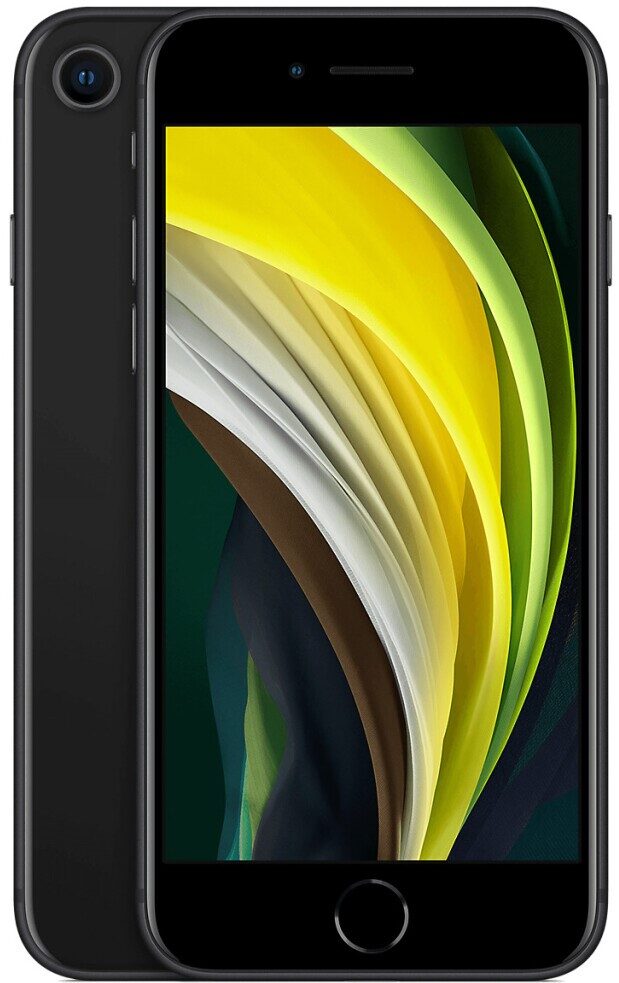
| 8 | iPhone SE (refurbished) | Best budget iPhone | ~£180-£250 | Amazon UK, iExpert Market |
1. Motorola Moto G56 – Best Budget Smartphone UK
Price: ~£180-£220 [ Check Price at iExpert →]
Verdict: The Moto G56 is our top pick for the best budget smartphone in the UK this year. It doesn’t lead on any single spec sheet number, but it’s the most consistently reliable phone under £300 across the things that matter every day: display brightness outdoors, battery endurance, and a software experience that doesn’t slow down or get abandoned early.
Specs at a glance:
- Display: 6.7″ LCD, 120Hz refresh, high outdoor brightness
- Chipset: MediaTek Dimensity (mid-tier, smooth for daily use and light gaming)
- Camera: 50MP main sensor, solid daylight performance
- Battery: 5,000mAh+, comfortably lasts a full day of heavy use
- Durability: IP68/IP69 rated – dust and water resistant, including high-pressure water
- Software: Clean near-stock Android, multiple years of update commitment
- 5G: Yes, works across EE, O2, Vodafone and Three
What we liked in testing: The build quality genuinely stands out – this is one of the few budget phones with proper IP69 protection, meaning it survives more than a light rain shower. The screen holds up well in direct sunlight, which is where a lot of budget LCD panels fail. Software felt clean and free of bloatware throughout our testing period, with no noticeable slowdown after two weeks of daily use.
Where it falls short: The camera is competent but not exceptional in low light – it’s a step behind the Pixel 8a and Galaxy A36 after dark. Charging speed is also modest compared to some Chinese rivals in this price bracket, so don’t expect a rapid top-up.
Best for: Buyers who want the single most dependable, no-compromise budget smartphone in the UK without needing to shop around between multiple “best for X” categories – this is the safe, correct default pick for most people.
2. Samsung Galaxy A36 5G – Best Display & Longest Software Support
Price: ~£250-£280 [ Check Price at iExpert →]
Verdict: If display quality and long-term software support matter most to you, the Galaxy A36 5G is the strongest pick in this price range. Samsung backs it with six years of guaranteed Android updates – a figure that genuinely separates it from almost every other budget phone on this list and changes the long-term value maths significantly.
Specs at a glance:
- Display: 6.7″ Super AMOLED, 1900-nit peak brightness, 90-120Hz
- Chipset: Mid-tier Exynos/Snapdragon (varies by region/batch)
- Camera: 50MP main with Sony IMX882 sensor and OIS
- Battery: 5,000mAh, 45W charging
- Software: 6 years of OS + security updates confirmed by Samsung
- 5G: Full Sub-6GHz support across all major UK networks
What we liked in testing: The AMOLED panel is genuinely the best display in this segment – deep blacks, strong outdoor visibility, and noticeably smoother scrolling than the LCD panels on cheaper rivals. Low-light photos benefit clearly from OIS (optical image stabilisation), producing sharper handheld night shots than most competitors at this price. Six years of software updates means a phone bought today stays current and secure well into the early 2030s – the strongest long-term value argument on this list.
Where it falls short: It costs £30-£60 more than several rivals with similar core specs, and Samsung’s One UI carries more pre-installed apps than Motorola’s near-stock approach, which some users find cluttered out of the box.
Best for: UK buyers who plan to keep their phone for 4+ years and want the reassurance of Samsung’s software support track record, or anyone who prioritises screen quality for streaming and gaming.
3. Google Pixel 8a – Best Camera Under £300
Price: ~£250-£300 | [Check Price at Google Store UK →]
Verdict: The Pixel 8a is the clear pick if photography is your priority. It runs Google’s Tensor G3 chip, which brings the same AI-powered computational photography — Magic Eraser, Night Sight, Best Take — found on Pixel phones costing significantly more, and it remains the most consistent low-light camera performer we tested under £300.
Specs at a glance:
- Display: 6.1″ OLED, 120Hz
- Chipset: Google Tensor G3
- Camera: 64MP main with Google’s computational photography suite
- Battery: 4,492mAh – adequate, not class-leading
- Software: 7 years of OS + security updates
- 5G: Yes, Sub-6GHz across all UK networks
What we liked in testing: Photo quality is the standout – Night Sight produces genuinely usable low-light shots where most budget rivals show visible noise and colour drift. Google’s 7-year software update commitment is the longest on this entire list, meaning a phone bought now is supported until roughly 2032-2033. The compact 6.1″ size is also a deliberate advantage for anyone who finds today’s 6.7″ phones too large for one-handed use.
Where it falls short: Battery life is the clear weak point – it’s adequate for a full day of moderate use but doesn’t match the Moto G56 or Galaxy A36 for heavy users, and 18W charging feels slow against 45W rivals. The smaller screen may also feel cramped if you watch a lot of video.
Best for: Anyone who wants the best budget phone for photography in the UK and is willing to trade some battery headroom and screen size for camera quality and software longevity.
4. Nothing Phone (2a) – Best Design
Price: ~£250-£280 | [Nothing.tech →]
Verdict: The Nothing Phone (2a) is the pick for anyone who wants their budget phone to actually look and feel different from every other black slab on the market. The transparent back and signature Glyph lighting aren’t just a gimmick – they’re genuinely well executed, and the phone backs up the design with solid mid-range performance.
Specs at a glance:
- Display: 6.7″ AMOLED, 120Hz
- Chipset: MediaTek Dimensity 7200 Pro
- Camera: Dual 50MP setup (main + ultrawide)
- Battery: 5,000mAh, 45W fast charging
- Software: Nothing OS (near-stock Android with distinct visual identity)
- 5G: Yes
What we liked in testing: Build quality feels a level above most rivals in this price bracket – it doesn’t feel like a “budget” phone in the hand. Performance is smooth for daily use and light gaming thanks to the Dimensity 7200 Pro. Fast 45W charging is a genuine convenience win over the Pixel 8a and Moto G56.
Where it falls short: Camera quality is good but not best-in-class – it trails the Pixel 8a in low light. Software update commitment (3 years) is shorter than Samsung or Google’s offerings, which matters if you plan to keep the phone long-term.
Best for: Buyers who want a budget phone that stands out visually and don’t mind a shorter software support window in exchange for standout design and fast charging.
5. CMF Phone 2 Pro (by Nothing) – Best Camera Versatility
Price: ~£219 | [Nothing.tech →]
Verdict: The CMF Phone 2 Pro is the only genuinely capable budget phone in the UK with a real telephoto lens, offering optical zoom versatility that nothing else on this list matches at the price. Stock has been tightening in mid-2026 as production winds down ahead of a successor, so availability is worth checking before you commit.
Specs at a glance:
- Display: 6.7″ AMOLED, 120Hz
- Chipset: Snapdragon 7s Gen 2
- Camera: 50MP main + 50MP telephoto (2x optical zoom)
- Battery: 5,000mAh
- Software: Nothing OS, 3 years of updates
- 5G: Yes
What we liked in testing: The telephoto lens is the headline feature and it delivers – genuine 2x optical zoom with usable detail, something you simply don’t get elsewhere under £250. The modular accessory system (swappable back panels/attachments) is a fun, practical extra that adds real utility.
Where it falls short: Stock availability is inconsistent in the UK right now, and the shorter 3-year software support window is behind Samsung and Google’s commitments.
Best for: Buyers who specifically want zoom camera versatility and are comfortable checking stock/ordering promptly if available.
6. Samsung Galaxy A17 5G – Best Cheap 5G Phone
Price: ~£165 | [iExpert Market →]
Verdict: At £165, the Galaxy A17 5G undercuts nearly everything else on this list while still delivering IP68 water resistance and Samsung’s software update backing – a combination that’s hard to find below £200.
Specs at a glance:
- Display: 6.7″ Super AMOLED, 90Hz
- Chipset: MediaTek Dimensity 6300
- Camera: 50MP OIS main + 5MP ultrawide
- Battery: 5,000mAh
- Software: 6 years of updates confirmed
- Durability: IP68 rated
What we liked in testing: For the price, the combination of an AMOLED display, IP68 durability and Samsung’s six-year update promise is genuinely unmatched — most rivals at this price point cut at least one of these corners.
Where it falls short: Performance is adequate for everyday tasks but noticeably slower under heavier multitasking or gaming than the pricier picks on this list.
Best for: Budget-conscious UK buyers who want the cheapest phone here that still feels properly supported long-term, rather than a true disposable budget option.
7. Poco M4 Pro 5G – Best Under £200
Price: ~£150-£180 | [Amazon UK →]
Verdict: The Poco M4 Pro 5G remains a strong pick for anyone whose budget sits firmly under £200. It delivers 5G connectivity and a vibrant display at a genuinely low price, though it asks for compromises elsewhere.
Specs at a glance:
- Display: 6.6″ LCD, 90Hz
- Chipset: MediaTek Dimensity 810
- Camera: 50MP main
- Battery: 5,000mAh
- Software: Shorter update window than premium-tier budget rivals
What we liked in testing: Genuinely capable performance for streaming, browsing and casual gaming, with a display that feels a step above what the price would suggest.
Where it falls short: Software support and camera performance are the clear trade-offs for the lower price – expect to replace this phone sooner than the Motorola or Samsung picks above.
Best for: Anyone whose hard budget ceiling is under £200 and who prioritises 5G and display quality over long-term software longevity.
8. iPhone SE (Refurbished) – Best Budget iPhone
Price: ~£180-£250 (refurbished, grade-dependent) | [iExpert Market UK →]
Verdict: For UK buyers who specifically want iOS, a refurbished iPhone SE remains the most sensible route into Apple’s ecosystem under £300 – new iPhones don’t come close to this price point, but a well-graded refurbished SE delivers genuine flagship-era performance.
Specs at a glance:
- Display: 4.7″ Retina (compact by 2026 standards)
- Chipset: A15 Bionic – still fast for daily use
- Camera: 12MP single lens, strong image processing despite modest hardware
- Battery: Adequate, though older units may show some degradation
- Software: iOS updates typically continue for several more years from Apple
What we liked in testing: The A15 Bionic chip remains genuinely fast for everyday use, and iOS optimisation means it doesn’t feel dated in daily software performance despite the smaller screen.
Where it falls short: The compact 4.7″ display feels cramped by modern standards, and battery health is the biggest variable with any refurbished purchase – always check the grading and warranty terms before buying.
Best for: iOS-committed buyers on a tight budget, and anyone comfortable buying refurbished from a reputable, warrantied UK seller.
How to Choose the Best Budget Smartphone in the UK
Software update support
This is the single most consequential factor for long-term value and is consistently underweighted by budget buyers. A phone with 6-7 years of guaranteed updates (Samsung Galaxy A-series, Google Pixel A-series) will remain secure and current years longer than one with 3 years (Nothing, most Chinese brands). Calculate the “cost per year of support” rather than just the upfront price – a £280 phone with 6 years of updates often works out cheaper long-term than a £180 phone you’ll replace in 2 years.
Battery life and real-world endurance
Battery capacity (mAh) is only part of the picture – chipset efficiency matters just as much. A 5,000mAh battery paired with an efficient MediaTek or Snapdragon chip (Moto G56, Galaxy A36) will comfortably outlast the same capacity paired with a less efficient processor. Look for real-world battery test results rather than manufacturer claims, which are typically measured under idealised conditions.
Camera hardware – what actually matters
Megapixel count is largely marketing. What determines real photo quality is sensor size, aperture, and whether the camera has optical image stabilisation (OIS) — the Galaxy A36’s Sony IMX882 sensor with OIS produces visibly sharper low-light and handheld shots than higher-megapixel rivals without stabilisation. If photography matters to you, prioritise phones with confirmed OIS and strong computational photography (Pixel’s Tensor chips) over raw megapixel numbers.
Display type: AMOLED vs LCD
AMOLED panels (Galaxy A36, Pixel 8a, Nothing Phone 2a) deliver deeper blacks, better outdoor visibility, and lower power consumption when displaying dark content, compared to LCD panels (Moto G56, Poco M4 Pro). LCD isn’t necessarily worse for everyday use, but AMOLED is the better choice for streaming, gaming, and outdoor use in bright UK summer conditions.
Build quality and durability (IP ratings)
An IP68 rating means dust-tight and water-resistant to 1.5m for 30 minutes; IP69 (Moto G56) adds resistance to high-pressure, high-temperature water jets – genuinely useful for accidental spills or being caught in the rain, which is a realistic UK-specific concern. Budget phones without any IP rating (some sub-£150 models) carry real risk from everyday accidents.
5G connectivity in the UK
Nearly all current UK budget smartphones support Sub-6GHz 5G, which is what EE, O2, Vodafone and Three actually use for the vast majority of their 5G coverage. mmWave 5G (denser, faster, but limited to small urban zones) is absent from every phone on this list – but so is it from most flagships, so this isn’t a meaningful compromise for typical UK use.
SIM-free vs contract vs refurbished – which route to buy
- SIM-free (buy outright): Cheapest overall if you can pay upfront; full flexibility to switch networks
- Contract: Spreads cost over 24 months but typically costs more in total interest-equivalent markup; sensible if cash flow matters more than total cost
- Refurbished: Can unlock genuinely premium hardware (iPhone SE, older Galaxy S-series) below £300 that would otherwise be inaccessible – but always buy from a UK seller offering a clear grading system and minimum 12-month warranty (Envirofone, Back Market UK, giffgaff Recycle)
Storage and expandability
Most budget phones ship with 128GB as standard in 2026, which is sufficient for most users; microSD expandability (present on the Galaxy A-series and Moto G56, absent on Pixel and Nothing phones) is worth prioritising if you shoot a lot of video or don’t rely on cloud storage.
FAQs About Best Budget Smartphones
The Motorola Moto G56 is currently the best all-round budget smartphone in the UK, combining strong durability (IP68/69), a bright display, and reliable battery life for around £180-£220.
The Samsung Galaxy A36 5G and Google Pixel 8a are the strongest options under £300 – the A36 for display quality and six years of software updates, the Pixel 8a for camera performance.
SIM-free is generally cheaper overall if you can pay upfront, since contract deals bundle a financing markup into the monthly cost; contracts suit buyers who’d rather spread payments over 24 months.
Amazon UK and Currys typically have the most competitive pricing on new budget smartphones, while iExpert Market UK offer the best value on graded refurbished models.
For most users, yes – 2026’s best budget smartphones now include 5G, AMOLED displays, and multi-day battery life, closing most of the practical gap with £800+ flagships except in camera zoom range and build materials.
Yes, virtually all current UK budget smartphones support Sub-6GHz 5G across EE, O2, Vodafone and Three, though actual speed and coverage vary by location and network.
With good care, 3-5 years of daily use is realistic; the bigger limiting factor is usually how many years of software updates the manufacturer commits to, not hardware failure.
The Google Pixel 8a leads on overall photo quality thanks to Google’s computational photography, while the CMF Phone 2 Pro is the strongest choice specifically for optical zoom versatility.
The Motorola Moto G56 and Samsung Galaxy A36 5G both deliver comfortable full-day battery life for heavy users; the Moto G56 has a slight edge in raw endurance testing.