
Pay As You Go Phones UK: Unlocked & Refurbished
Looking for pay as you go phones without the hassle of a credit check or a 24-month contract? Our unlocked, fully tested refurbished handsets are ready to work with any UK PAYG SIM the moment they arrive. Whether you need a backup phone, a first phone for a student, or simply want full control over your monthly spend, browse our range below and top up only when you need to.
Sort by:
Sort

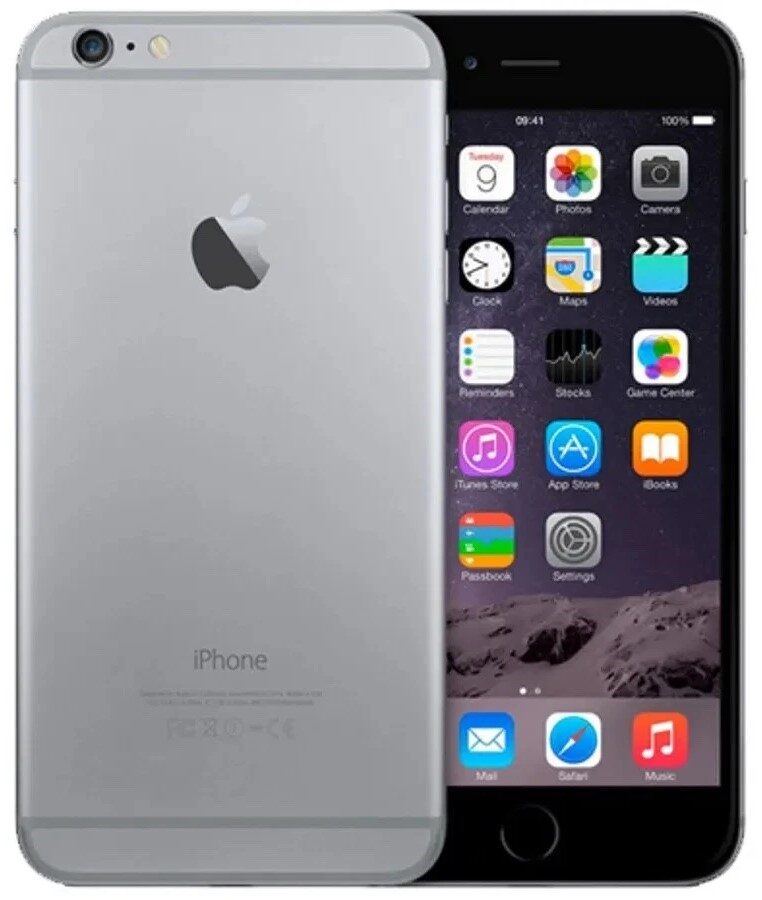

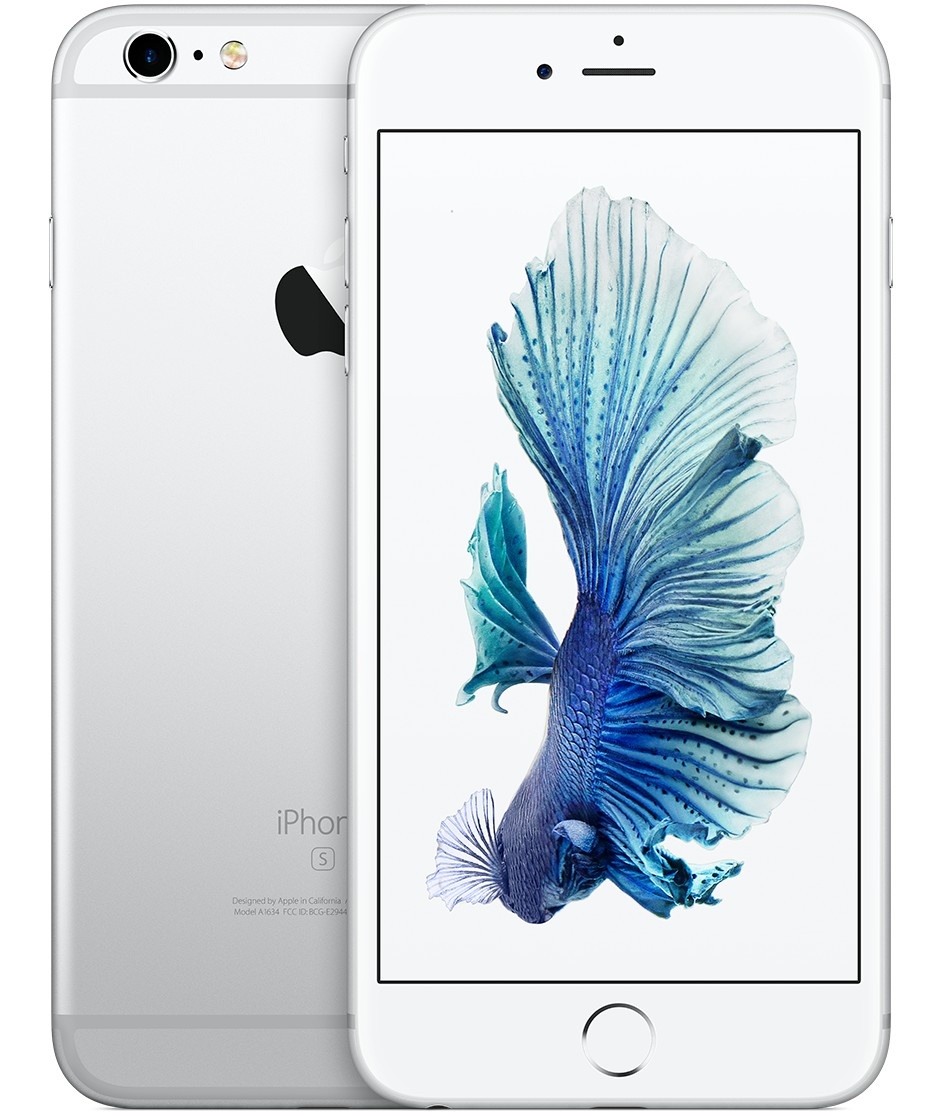


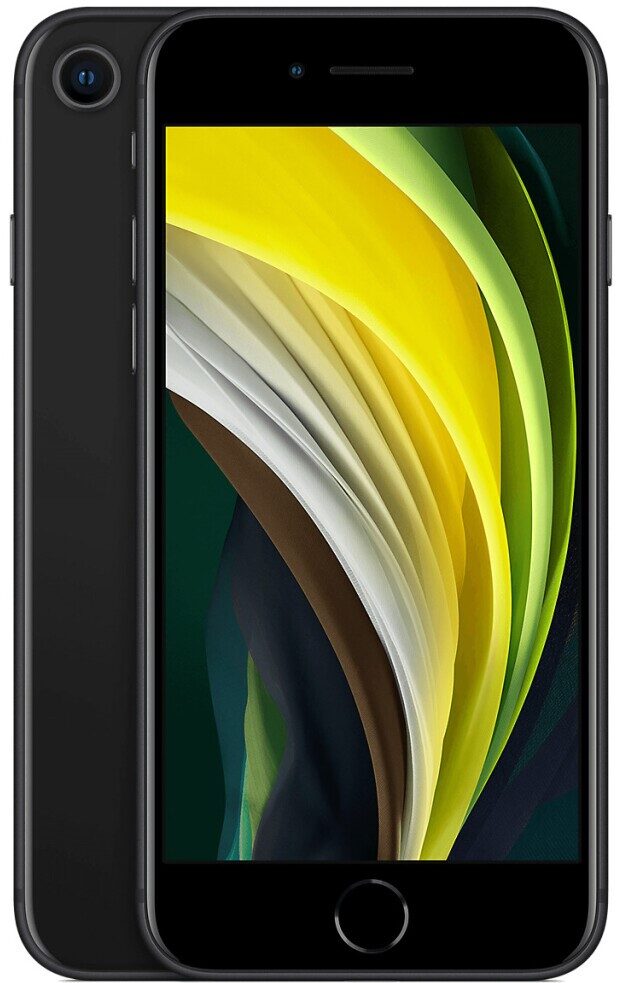





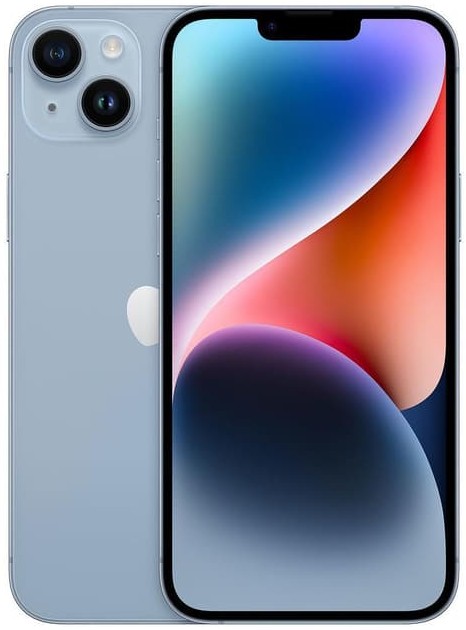




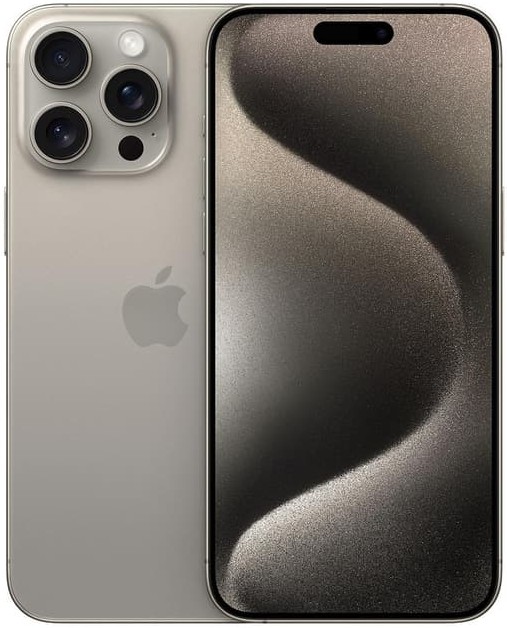


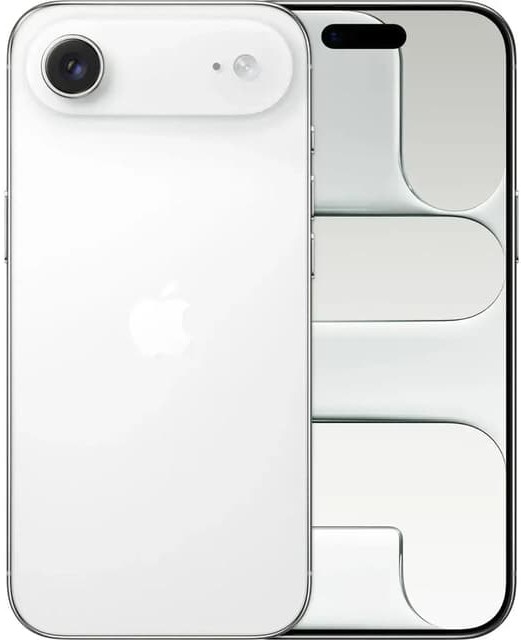


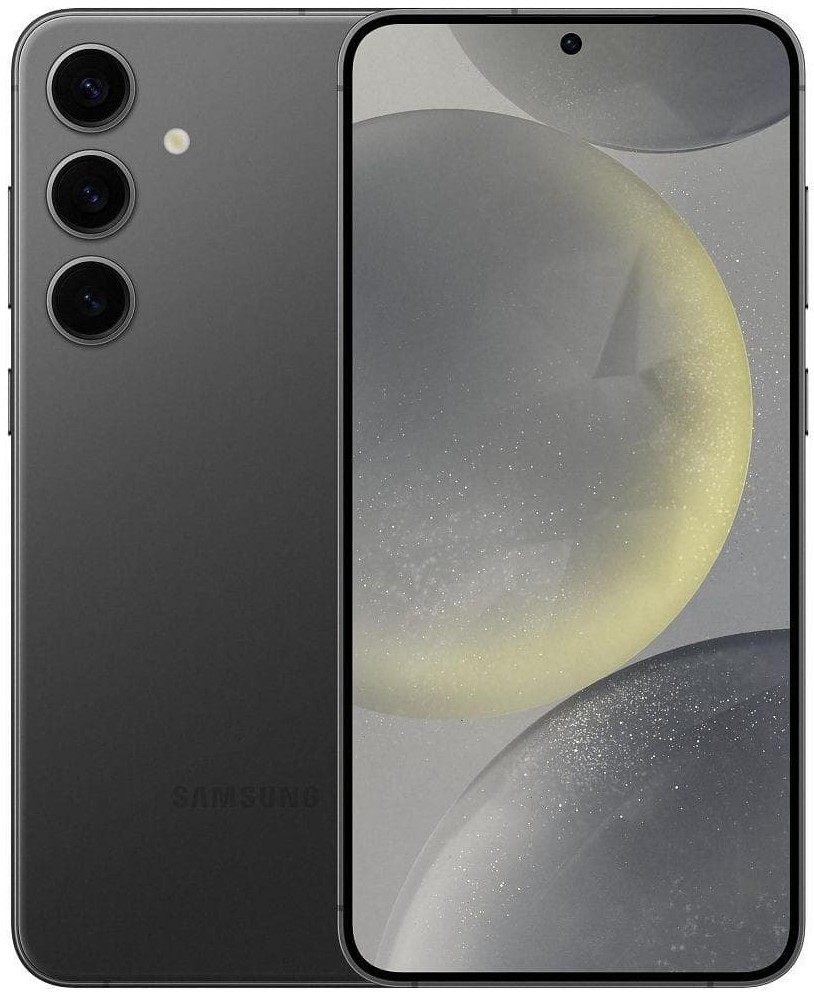

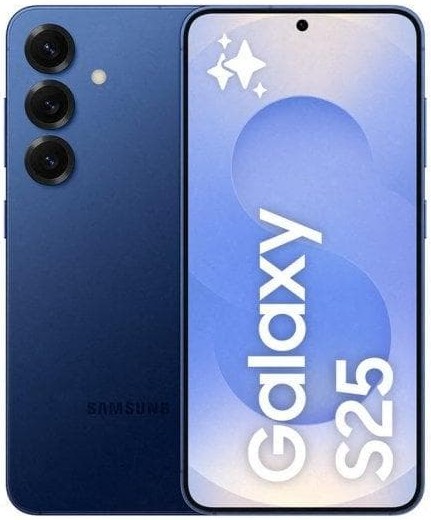



Free UK Delivery

12 months warranty

Good for the Planet, Great for You

Tested Refurbished
Pay as you go phones remain one of the most practical ways to get online in the UK without signing up to a long contract, passing a credit check, or committing to a monthly bill you don’t fully control. Whether you’re after a spare handset for your teenager, a backup device for travel, or simply want to keep your monthly outgoings predictable, a good pay as you go setup – paired with a properly tested, unlocked SIM-free mobile phone – can cost a lot less than most people assume, with refurbished handsets on this site starting from £69. This guide explains exactly how pay as you go mobile phones work, who they suit, and how to choose a refurbished or SIM-free handset that will work reliably on any UK network.
What Are Pay As You Go Phones?
A pay as you go (PAYG) phone is any handset used with a SIM card that isn’t tied to a monthly contract. Instead of a fixed bill each month, you buy credit, a bundle, or a top-up voucher in advance and use your data, minutes and texts until they run out. There’s no direct debit, no 24-month commitment, and no credit check standing between you and a working mobile phone. This is a fundamentally different billing relationship to a pay monthly contract, and understanding the distinction is the first step to choosing the right device and plan.
Pay As You Go vs Pay Monthly vs Contract Phones
On a pay monthly contract, the network typically bundles the cost of the handset into your monthly fee over 24 or 36 months, which usually means a credit check, a fixed term, and an exit penalty if you want to leave early. With pay monthly phones, you’re locked into that agreement whether your usage changes or not. PAYG flips this: you buy the phone outright (or already own one), then buy only the airtime you need, whenever you need it. There’s no lock-in, no ongoing credit commitment, and nothing stopping you from switching networks or plans the moment a better deal appears.
How PAYG Actually Works in Practice
You insert a PAYG SIM card, register it with the network of your choice, and add credit either online, via an app, in-store, or through a voucher bought at a supermarket or newsagent. Some networks let you buy rolling 30-day bundles of data, minutes and texts at a fixed price; others let you top up a running balance and pay per minute, per text and per megabyte as you go. Bundles tend to offer better value for regular users, while a straightforward top-up balance suits people who barely use their phone month to month.
Who Are Pay As You Go Phones Best For?
PAYG isn’t a compromise option – for a large number of UK mobile users it is genuinely the better fit. Here are the groups who tend to benefit most from choosing pay as you go over a contract.
Students and Young People
Students often have irregular income and don’t want a fixed monthly bill following them around during term breaks or between jobs. A PAYG phone lets a student top up only when they have the funds, without the risk of missed payments affecting a credit file early in life. It also means parents can hand a child or teenager a phone with a hard spending limit built in, rather than an open-ended contract.
Backup and Second Phones
Many people keep a second, cheaper handset for travel, work, or as an emergency spare in case their main phone is lost, stolen or damaged. A PAYG SIM in a low-cost, well-tested cheap smartphone means the second device costs almost nothing to maintain and can sit switched off in a drawer for months without racking up charges.
Low-Usage Users and Budgeters
If you make the odd call, send a handful of texts, and only use small amounts of mobile data because you’re mostly on home or office WiFi, a monthly contract built around a large data allowance is simply wasted spend. PAYG lets low-usage customers pay only for what they actually consume, and it’s far easier to track exactly where your money is going.
Avoiding Credit Checks and Contracts
Not everyone wants – or can pass – a credit check, whether that’s due to a thin credit history, a recent house move, or simply a preference for not having financial commitments tracked against their name. Because PAYG has no ongoing obligation, most networks don’t require a credit check to activate a PAYG SIM, making it one of the most accessible ways to get a working UK mobile number.
Travellers and Occasional UK Visitors
Anyone visiting the UK for a few weeks, working here temporarily, or travelling frequently for business finds PAYG particularly convenient. There’s no need to prove address history, pass a credit check, or sign a lengthy agreement just to get a working UK number – a PAYG SIM can be bought, registered and topped up within minutes, then simply left dormant or cancelled with no further obligation once it’s no longer needed. Pairing it with an inexpensive, unlocked handset means a visitor doesn’t need to bring a second expensive device from home or risk their main phone while away.
Choosing the Right SIM-Free Phone for PAYG
The phone you pair with your PAYG SIM matters just as much as the network you choose. Getting this part wrong is the most common reason people end up with a PAYG phone that won’t actually work.
Unlocked vs Locked Handsets
Some phones are “locked” to the network that originally sold them, meaning they’ll only accept a SIM from that same network unless an unlocking process is carried out. A locked phone bought secondhand or refurbished can leave you stuck if you want to use a different PAYG SIM. This is why it’s worth buying a phone that is explicitly listed as unlocked or SIM-free from the outset – it means the handset will accept any UK network’s SIM card without restriction.
How to Check If a Phone Is Unlocked
If you already own a handset and aren’t sure of its status, our guide on how to know if my phone is unlocked walks through the quickest ways to check, including inserting a SIM from a different network and watching for a “SIM not supported” or “network lock” message. Every phone sold through this site is checked and confirmed unlocked before listing, so this is one less thing to worry about when buying refurbished.
Network Compatibility Explained
Modern UK networks (EE, O2, Vodafone, Three, and the various virtual networks that run on their infrastructure) largely use compatible technology, but older or budget devices can sometimes lack support for certain 4G or 5G bands used by a specific network. A genuinely SIM-free phone, properly specified, should work across all major UK PAYG networks without issue – but it’s still worth confirming band and network compatibility against the specific model you’re considering, particularly for older handsets.
New vs Refurbished for PAYG
Because a PAYG phone is often a secondary, budget, or backup device, it rarely makes sense to spend contract-phone money on it. A professionally graded refurbished handset gives you a fully working, tested phone at a fraction of the new price, and for PAYG use – where the phone simply needs to make calls, send texts and get online reliably – a refurbished device is usually the smarter buy than paying full price for new.
Understanding PAYG Data, Minutes and Texts
Once you have a compatible, unlocked handset, the next decision is how you want to manage your usage. PAYG plans generally fall into two categories.
- Bundle-based PAYG: you pay a fixed amount for a 30-day allowance of data, minutes and texts, similar in structure to a contract but with no ongoing commitment beyond that single top-up.
- Pure pay-per-use PAYG: you top up a running credit balance and pay a per-minute, per-text and per-megabyte rate as you use your phone, with no fixed bundle or expiry pressure.
- Hybrid options: some networks let you combine a small recurring bundle for essentials with pay-per-use rates for anything beyond it, useful if your usage varies month to month.
Topping Up Your PAYG SIM
Topping up is usually done through the network’s app, website, an automated phone line, or in person at a shop or supermarket. Most networks also support auto top-up, which reloads your balance automatically when it drops below a set threshold – useful if you want to avoid running out of credit unexpectedly, though it’s optional and easy to switch off if you’d rather stay in full manual control of your spending.
eSIM vs Physical PAYG SIM
Most PAYG networks now offer both a traditional physical SIM card and, on supported handsets, an eSIM that’s activated digitally without ever needing a physical card swapped into the phone. An eSIM can be genuinely convenient for a backup or travel number, since it’s possible to hold both your main plan and a PAYG eSIM active on the same handset at once, switching between them from the settings menu. Physical SIM cards remain the more universal option, however, since older and budget refurbished handsets don’t always support eSIM, so it’s worth confirming which format a specific phone supports before ordering your PAYG SIM.
Choosing a Network for PAYG
Coverage, price per bundle, and rollover rules (whether unused data carries over to the next 30-day period) all vary by network, so it’s worth comparing based on where you actually live and work rather than headline price alone. If you’re unsure which network suits your area, checking coverage maps before committing to a SIM is a sensible first step, especially in more rural parts of the UK. It’s also worth remembering that many budget and virtual PAYG networks actually run on the same underlying infrastructure as one of the four major networks, so a lower headline price doesn’t automatically mean weaker coverage – it often just reflects a leaner, online-only service model.
Buying Refurbished Phones for Pay As You Go Use
Refurbished phones are an excellent match for PAYG because they combine a low upfront cost with genuine, tested reliability – provided you buy from a retailer that takes grading and testing seriously.
Grading Explained
Refurbished phones are typically sorted into cosmetic grades – often ranging from like-new condition through to well-used but fully functional – based on the state of the screen, casing and overall wear. Grading only ever refers to cosmetic appearance; it should never affect whether the phone is fully functional, since every device should pass the same functional testing regardless of grade. Choosing a lower cosmetic grade is a simple way to save further if a few light marks on the back or edges don’t bother you, without any compromise on how the phone actually performs.
Testing and Quality Control
A proper refurbishment process involves a full diagnostic run through battery health, charging, cameras, buttons, screen response, speakers, microphones, connectivity (including WiFi, Bluetooth and mobile signal) and SIM functionality before a device is ever listed for sale. This kind of multi-point testing is exactly what separates a professionally refurbished phone from an untested secondhand listing bought privately, and it’s the reason a refurbished phone from a specialist retailer can be trusted for daily PAYG use.
Data Wiping and Privacy
Every previous owner’s data must be securely and completely erased before a refurbished phone is resold. This should follow recognised data sanitisation standards so that no personal information, accounts, or files can ever be recovered by a new owner, and the device should be reset to factory condition with all previous account locks cleared, so you’re not caught out by someone else’s iCloud or Google account lock after purchase.
Warranty and Peace of Mind
A confident refurbisher backs its testing with a proper warranty policy, giving you cover if a fault appears after purchase, plus a clear refund and returns process if the phone genuinely isn’t right for you. Buying from a retailer that’s transparent about its grading, testing and warranty terms is the single biggest factor in a good refurbished PAYG purchase – and it’s worth reading a supplier’s about us page to understand how long they’ve been trading and what their approach to refurbishment actually involves before you buy.
Pay As You Go vs Pay Monthly vs SIM Free – Which Is Right for You?
The table below breaks down the practical differences between the three most common ways of buying and using a mobile phone in the UK.
| Factor | Pay As You Go | Pay Monthly Contract | SIM-Free (Handset Only) |
|---|---|---|---|
| Credit check required | Usually none | Yes, typically required | Not applicable – handset only |
| Contract length | None – pay as you go | Usually 24–36 months | None – you own the phone outright |
| Flexibility to switch network | High – swap SIMs freely | Low until contract ends | High, since it’s unlocked by default |
| Best suited to | Low/variable usage, students, backup phones | Heavy, predictable monthly usage | Buyers who already have a SIM/network deal |
| Ongoing monthly bill | No, top up as needed | Yes, fixed direct debit | No, one-off purchase only |
| Typical handset source | Any unlocked phone | Bundled with the contract | Bought separately, then paired with any SIM |
What to Check Before Buying a Refurbished PAYG Phone
Not all refurbished listings are equal. Use this comparison as a quick checklist against any refurbished phone you’re considering pairing with a PAYG SIM.
| What to Check | Why It Matters for PAYG | What Good Looks Like |
|---|---|---|
| Network lock status | A locked phone restricts which PAYG SIM you can use | Confirmed unlocked / SIM-free before listing |
| Cosmetic grade | Affects appearance only, not function | Clearly graded and described, with photos where possible |
| Battery health | PAYG phones are often used as everyday or backup devices | Tested and disclosed, not just assumed |
| Functional testing | Confirms calls, texts, data and buttons all work correctly | Full multi-point diagnostic completed pre-sale |
| Data wipe confirmation | Protects your privacy and avoids account-lock issues | Factory reset with all prior accounts removed |
| Warranty length | Gives you cover if a fault develops later | A clearly stated warranty period, not “sold as seen” |
Popular Refurbished Phones for Pay As You Go Use
Because PAYG doesn’t tie you to a specific network or bundled handset, you’re free to choose whichever phone suits your budget and needs. Two ranges consistently stand out for PAYG buyers looking for a dependable, well-supported device.
iPhones for PAYG
Refurbished iPhones remain hugely popular for PAYG use thanks to long software support windows and consistently strong resale value. Within our refurbished iPhones range, the iPhone 11 is a particularly strong budget PAYG choice, while the iPhone 12 adds 5G support for buyers who want a slightly newer chipset and camera setup without paying new-handset prices.
Samsung Phones for PAYG
For buyers who prefer Android, our Samsung phones refurbished range covers everything from flagship Galaxy S and Note devices to the more budget-friendly Samsung A-series, which is especially well suited to PAYG buyers who want a large, bright screen and reliable everyday performance without spending flagship money. Both ranges sit alongside our wider phones category, where you can compare models side by side.
Environmental and Cost Benefits of Refurbished PAYG Phones
Choosing a refurbished handset for PAYG use isn’t only a financial decision – it’s an environmental one too. Manufacturing a new smartphone has a significant carbon and resource footprint, from mining rare earth metals to the energy used in assembly and shipping. Every refurbished phone that’s properly repaired, tested and resold is one fewer new device manufactured and one fewer device sent to landfill or informal e-waste processing. For anyone conscious of the environmental cost of constant upgrade cycles, buying refurbished for a PAYG or backup phone is a genuinely meaningful way to reduce personal electronic waste without sacrificing a reliable, fully tested device. In practical terms, choosing refurbished over new for a PAYG or secondary phone brings several compounding benefits:
- Lower resource use: reusing an existing handset avoids the raw material extraction and manufacturing emissions needed to produce a brand-new device.
- Less e-waste: a phone that’s repaired and resold stays in active use rather than being discarded, recycled at a loss, or stockpiled in a drawer.
- Extended product lifespan: professional refurbishment (new batteries, screens or parts where needed) can add years of extra useful life to a device that would otherwise be scrapped.
- Lower personal cost: a tested refurbished handset typically costs a fraction of an equivalent new model, freeing up budget for the PAYG plan itself.
On the cost side, if you’re browsing more broadly rather than looking at a specific model, our cheap mobile phones and discount mobile deals pages are worth a look, giving you a genuinely tested, warrantied PAYG phone accessible on almost any budget without paying new-handset prices for a device that will spend most of its life as a secondary or backup phone.
How to Switch to Pay As You Go
If you’re moving from a pay monthly contract, or setting up a phone for the first time, the process is more straightforward than most people expect.
- Confirm your current contract’s end date (or accept any early exit terms) so you know exactly when you’re free to move, or simply set up a second PAYG line alongside your existing number.
- Choose an unlocked, SIM-free handset that’s been properly tested – a refurbished phone from a reputable specialist is usually the most cost-effective option here.
- Pick a PAYG network based on coverage in your area, bundle pricing, and rollover rules for unused data.
- Order your PAYG SIM (physical or eSIM, depending on network and handset support) and, if you’re keeping your existing mobile number, request a PAC code from your current provider to port it across.
- Insert the SIM, complete the network’s registration steps, and top up with your first bundle or credit amount.
- Test calls, texts and data before relying on the phone fully, and keep your old SIM active until you’ve confirmed everything transfers correctly.
Common Mistakes to Avoid When Buying a PAYG Phone
A few recurring issues catch out PAYG buyers, most of which are easy to avoid with a little upfront checking.
- Buying a locked handset by mistake: always confirm a phone is explicitly listed as unlocked or SIM-free before buying, rather than assuming a secondhand device will accept any SIM.
- Ignoring battery health: a phone with a badly degraded battery will need charging constantly, undermining the convenience PAYG is meant to offer – always check that battery health has been tested and disclosed.
- Skipping the warranty terms: a phone with no meaningful warranty leaves you exposed if a fault appears weeks after purchase, so always check the seller’s warranty and returns terms before paying.
- Assuming all bundles roll over: not every PAYG bundle carries unused data or minutes into the next period – check this before choosing a network if you have irregular usage patterns.
- Not checking network bands: particularly with older handsets, always confirm the phone supports the bands your chosen PAYG network actually uses in your area.
Final Thoughts on Choosing Pay As You Go Phones
Pay as you go phones give UK buyers genuine flexibility: no credit check, no lock-in, and spending that’s entirely within your control. The key to making PAYG work well is pairing it with a properly unlocked, tested handset rather than assuming any secondhand phone will do the job. A professionally refurbished, SIM-free phone – backed by clear grading, full functional testing, secure data wiping and a real warranty – gives you all the reliability of a new device at a fraction of the cost, and remains compatible with whichever PAYG network suits you now or in the future. If you’re still deciding between billing models, our guides on whether refurbished phones are good, what refurbished actually means, and how much your old phone is worth are all worth reading before you buy, alongside comparing our pay monthly phones range if a contract turns out to suit your usage better after all.
Pay As You Go Phones: Frequently Asked Questions
Pay as you go (PAYG) means you buy mobile credit, a bundle, or a top-up voucher in advance and use your data, minutes and texts until it runs out, rather than paying a fixed monthly bill. There’s no contract, no direct debit and no fixed term, so you only ever spend what you choose to top up.
Generally no. Because PAYG carries no ongoing financial commitment, most UK networks don’t require a credit check to activate a PAYG SIM, which is one of the main reasons it suits students, younger users, and anyone who’d rather avoid a credit check altogether.
You can use any phone that is unlocked or SIM-free. A locked handset will usually only accept a SIM from the network it was originally sold with, so it’s worth confirming a phone’s unlock status before buying it for PAYG use.
The quickest way is to insert a SIM from a different network and see if it connects normally. If you see a message such as “SIM not supported” or a network lock notice, the phone is locked. Every phone sold on this site is confirmed unlocked before it’s listed.
Yes, provided it comes from a retailer that carries out proper multi-point testing covering battery health, charging, cameras, buttons, screen response and connectivity. A professionally refurbished phone is fully functional and typically backed by a warranty, making it just as dependable as new for day-to-day PAYG use.
Pay monthly bundles the handset and airtime into a fixed contract, usually 24-36 months, with a credit check and an exit penalty for leaving early. Pay as you go has no contract or credit check; you simply top up as needed and can switch networks or plans whenever you like.
Yes. Cosmetic grading only describes the appearance of a handset, such as light marks or wear on the casing, and has no bearing on functionality. Every graded phone should still pass the same full functional testing regardless of its cosmetic grade.
This depends entirely on the network. Some PAYG bundles carry unused data, minutes or texts into the next 30-day period, while others expire it. It’s worth checking a network’s specific rollover policy before choosing a plan if your usage varies month to month.
Yes. Request a PAC code from your current provider, then give it to your new PAYG network when you activate your SIM. Your existing number will transfer across, usually within one working day.
Many UK PAYG networks now support eSIM alongside a traditional physical SIM card, though this depends on both the network and the handset. Older or budget refurbished phones don’t always support eSIM, so it’s worth checking compatibility for your specific model before ordering.
A proper refurbishment process includes a secure factory reset that follows recognised data sanitisation standards, removing all previous accounts, files and personal information, and clearing any prior account locks so the phone is ready to set up as new.
A reputable seller will offer a clearly stated warranty period covering functional faults, along with a straightforward returns process if the phone isn’t right for you. Always check these terms before buying rather than accepting a device sold with no cover at all.
For low or irregular usage, PAYG is usually cheaper overall since you’re not paying for a large bundled allowance you don’t use. For consistently heavy data users, a well-chosen contract can sometimes work out better value, so it’s worth comparing your actual usage against both options.
Yes, this is one of the most common PAYG use cases. A low-cost, tested, unlocked handset paired with a PAYG SIM makes an effective backup device that can sit unused for months without incurring any ongoing cost, unlike a second contract line.