The Complete Guide to Refurbished Phones, Laptops, and Tech
Refurbished technology has become one of the fastest-growing markets in consumer electronics. From refurbished smartphones to refurbished laptops and tablets, more people are choosing refurbished devices as a smart alternative to buying brand-new products.
But what exactly does refurbished mean?
Is refurbished the same as used?
Are refurbished phones reliable?
Why do companies sell refurbished devices at lower prices?
In this complete guide, we’ll explain everything you need to know about refurbished electronics, including:
- The definition of refurbished
- How refurbishment works
- Differences between refurbished, used, and new
- Benefits of buying refurbished devices
- Common myths about refurbished technology
- What to look for when buying refurbished phones or laptops
Whether you’re looking for a refurbished smartphone, laptop, tablet, or computer parts, this guide will help you understand how refurbished devices work and why they’re becoming the preferred option for smart tech buyers.
What Does Refurbished Mean?
A refurbished device is a previously owned electronic product that has been returned, repaired, tested, and restored to full working condition before being resold.
Refurbished devices often come from:
- Customer returns
- Devices with minor defects
- Ex-display models
- Trade-in programs
- Corporate upgrades
Before being resold, the device goes through a refurbishment process where technicians inspect, repair, clean, and test the product to ensure it works properly.
Many major companies, including Apple, Samsung, Dell, and Lenovo, operate their own refurbished programs because refurbished technology has become an important part of the electronics industry.
Refurbished vs Used vs New: What’s the Difference?
Understanding the difference between refurbished and used devices is important when shopping for technology.
New Devices
A new device is a product that has never been used or opened and comes directly from the manufacturer.
Pros:
- Latest condition
- Full manufacturer warranty
- No previous ownership
Cons:
- Highest price
Used Devices
A used device is sold as-is by the previous owner, usually without professional testing or repair. Examples include devices sold through peer-to-peer marketplaces.
Pros:
- Cheap price
Cons:
- No testing
- Unknown history
- Usually no warranty
Refurbished Devices
Refurbished electronics are professionally inspected and restored before being sold again.
Pros:
- Lower price than new
- Tested and repaired
- Often includes warranty
- Quality checked
Cons:
- May have minor cosmetic wear
If you’re looking for affordable high-quality devices, refurbished products offer the best balance between price and reliability.
You can explore options like:
How the Refurbishment Process Works
The refurbishment process is designed to ensure that previously owned electronics meet strict performance standards before being sold again.
Although the process varies between companies, it usually includes several steps.
1. Device Inspection
The first step in refurbishment is a complete inspection of the device.
Technicians check:
- Screen quality
- Battery health
- Internal components
- Buttons and sensors
- Camera functionality
- Charging ports
Any issues identified during inspection are flagged for repair.
2. Repair and Replacement
If components are faulty or worn, they are replaced with functional parts.
Common replacements include:
- Batteries
- Screens
- Charging ports
- Speakers
- Cameras
High-quality refurbishment ensures that the device performs like it should.
3. Software Reset and Updates
The device is wiped completely and restored to factory settings. Technicians install the latest compatible operating system updates to ensure performance and security.
For example:
- iPhones are updated to the latest iOS supported
- Android phones receive the latest firmware
- Laptops are reset and tested with fresh operating systems
4. Cleaning and Cosmetic Restoration
Refurbished devices are thoroughly cleaned and sanitized.
This step includes:
- Screen polishing
- Body cleaning
- Dust removal
- Surface repairs where possible
Devices are often graded by cosmetic condition such as:
- Grade A – Excellent condition
- Grade B – Minor signs of wear
- Grade C – Visible cosmetic marks but fully functional
5. Quality Testing
Before resale, refurbished electronics undergo rigorous testing to ensure reliability.
This can include testing:
- Touchscreen responsiveness
- Wi-Fi connectivity
- Bluetooth
- Cameras
- Speakers
- Battery performance
- Sensors and Face ID or fingerprint systems
Only devices that pass testing are approved for resale.
Why Refurbished Technology Is Becoming So Popular
The refurbished electronics market has grown rapidly in recent years.
There are several reasons why consumers are choosing refurbished devices instead of brand-new ones.
1. Lower Prices
One of the biggest advantages of refurbished electronics is price. Refurbished devices can cost 20% to 60% less than new devices. This makes premium technology more accessible.
For example, buyers can often purchase high-end devices such as:
- iPhones
- iPads
- MacBooks
- Gaming laptops
At significantly lower prices.
2. Sustainability and Environmental Benefits
Buying refurbished electronics helps reduce electronic waste. Electronic waste is one of the fastest-growing waste streams globally. By extending the life of devices, refurbished products help:
- Reduce landfill waste
- Lower carbon emissions
- Minimise demand for new manufacturing
Companies like Apple and Microsoft promote refurbishment as part of their sustainability initiatives.
3. Access to Premium Devices
Refurbished products make premium technology affordable. Consumers can buy high-quality devices that may have been too expensive when new.
Examples include:
- Professional laptops
- Business computers
- Flagship smartphones
- Premium tablets
You can browse collections like:
Types of Refurbished Electronics
Refurbished technology includes a wide range of devices.
Refurbished Smartphones
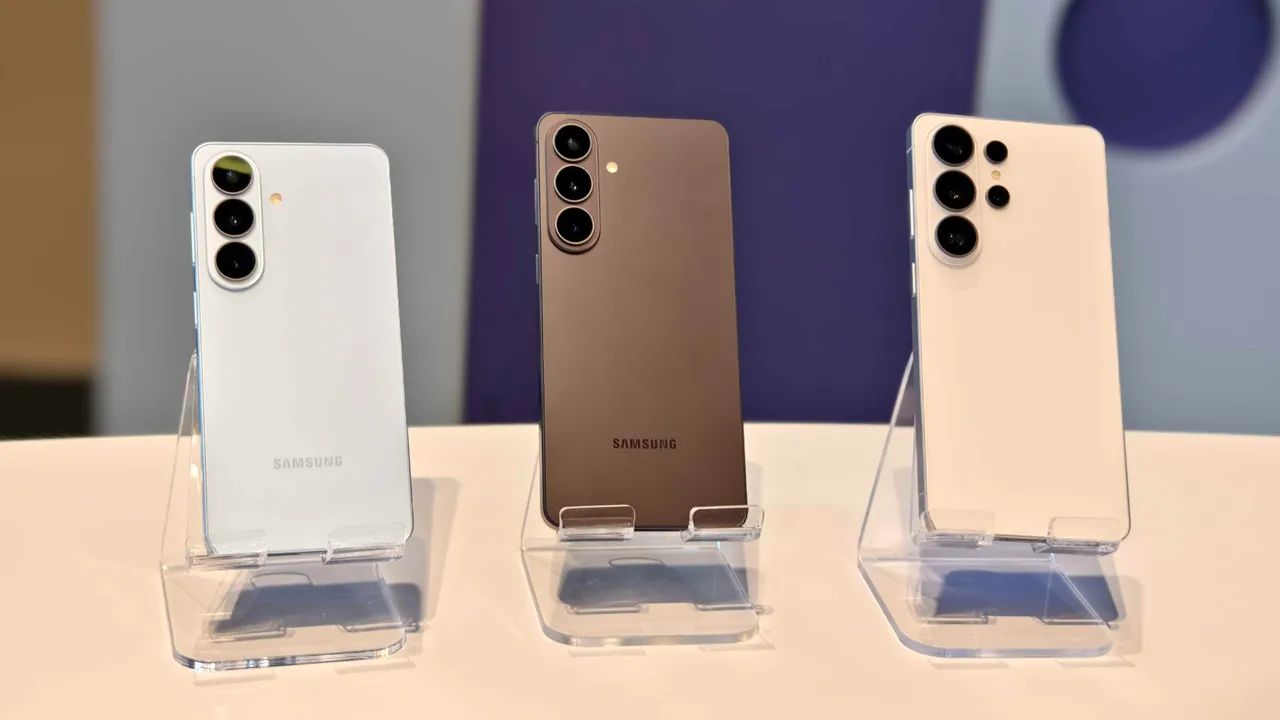
Refurbished smartphones are one of the most popular categories. These include devices from major manufacturers such as:
Buyers often choose refurbished smartphones because they offer flagship features at lower prices.
Refurbished Tablets
Tablets are commonly refurbished due to high upgrade cycles. Popular refurbished tablets include:
Refurbished Laptops
Refurbished laptops are widely used by students, businesses, and remote workers. Brands often refurbished include:
- Dell
- HP
- Lenovo
- Apple
Refurbished MacBooks
Refurbished MacBooks are especially popular due to their high retail prices when new. Buying refurbished allows users to access Apple’s ecosystem for significantly less.
Common Refurbished Device Grades
Most refurbished devices are categorised by cosmetic condition.
Grade A (Excellent)
- Minimal or no visible scratches
- Looks almost new
- Fully functional
Grade B (Very Good)
- Minor cosmetic marks
- Fully working condition
Grade C (Good)
- Visible wear or scratches
- Performance unaffected
Understanding grades helps buyers know what to expect visually.
Are Refurbished Phones Reliable?
Yes, refurbished phones are reliable when purchased from trusted sellers. Refurbished devices undergo professional testing and quality checks before resale.
Many refurbished retailers provide:
- Warranty coverage
- Return policies
- Quality certifications
This ensures that buyers receive devices that work properly.
Common Myths About Refurbished Devices
Several misconceptions exist about refurbished electronics. Let’s clarify some common myths.
Myth 1: Refurbished Means Broken
Refurbished does not mean broken. Most refurbished devices are simply customer returns or trade-ins.
Myth 2: Refurbished Devices Have Poor Performance
Refurbished devices are tested to ensure full functionality. Performance is often identical to new devices.
Myth 3: Refurbished Electronics Don’t Last Long
When refurbished properly, devices can last for many years. Battery replacements and repairs often extend device lifespan.
What to Look for When Buying Refurbished Tech
When buying refurbished electronics, consider the following factors.
Warranty
A warranty provides peace of mind and protection against unexpected faults.
Battery Health
Battery performance is important for phones and laptops.
Device Grade
Understand the cosmetic condition grading system.
Seller Reputation
Choose reliable retailers that specialise in refurbished electronics.
Why Buy Refurbished Tech From a iExpert Market
Buying from a professional refurbished store ensures:
- Quality testing
- Device authentication
- Secure data wiping
- Reliable warranties
- Customer support
You can explore our collections:
Final Thoughts: Is Buying Refurbished Worth It?
Refurbished electronics offer an excellent balance of quality, price, and sustainability.
By choosing refurbished devices, buyers can:
- Save money
- Access premium technology
- Reduce electronic waste
- Extend the life of existing devices
As technology upgrades become more frequent, refurbished electronics are becoming the smart choice for consumers and businesses alike.
Whether you’re looking for a refurbished smartphone, laptop, tablet, or computer accessories, refurbished technology allows you to enjoy high-quality devices at a fraction of the cost.
Back to posts