
Choosing the Best Camera Phone
If photography is the reason you upgrade your phone, the choice comes down to more than a spec sheet. This guide breaks down what actually shapes image quality – sensor size, computational processing, zoom hardware, and stabilisation – and shows how flagship-tier iPhone and Samsung Galaxy cameras compare across recent generations, so you can find the best camera phone for how you actually shoot, refurbished or new.
Sort by:
Sort




















Free UK Delivery

12 months warranty

Good for the Planet, Great for You

Tested Refurbished
Search for the best camera phone and you’ll be buried under spec sheets: megapixel counts, sensor names, zoom ratios. Most of it is marketing noise. What actually separates a phone that takes photos you’ll want to keep from one that takes photos you’ll delete is a much shorter list of things – and once you understand what they are, you can judge any handset, new or refurbished, on its real merits rather than its marketing copy.
This guide walks through what genuinely matters in a phone camera system, how that has evolved across recent flagship generations from Apple and Samsung, and why a graded, professionally tested refurbished flagship is very often the smartest way to get a serious camera system without paying flagship-launch money. We’ll also cover how to check a used phone’s camera and lens condition before you rely on it, because a great sensor behind a scratched lens or a marked screen is a poor combination.
Strip away the marketing language and the whole question really comes down to five things:
- How much light the sensor can physically gather
- How well the software processes that light into a finished image
- Whether zoomed shots come from real optics or just cropping
- How steady handheld video looks without a gimbal
- How the whole system holds up once the sun goes down
What Separates a Genuinely Good Camera Phone From an Average One
Manufacturers love to lead with a megapixel figure because it’s an easy number to print on a box, but megapixels alone tell you almost nothing about picture quality. The things that actually decide whether a photo looks crisp, natural, and usable in low light sit underneath that headline number, and they’re worth understanding properly before you compare any two handsets.
Sensor Size Does More Work Than Resolution
A larger sensor captures more light per shot, and more light means less digital noise, better dynamic range, and photos that hold together when you view them full-screen rather than as a thumbnail. This is why a phone with a “smaller” 12MP or 48MP sensor from a recent flagship can comfortably outperform an older or cheaper phone boasting a 108MP count – the pixels on the flagship sensor are simply larger and gathering more usable light each. If you’re choosing between models in our refurbished iPhone range or our Samsung phones refurbished range, sensor generation matters more than the raw megapixel number printed on a spec sheet.
Computational Photography Is Doing More Than You Realise
Every modern flagship photo is the product of dozens of exposures merged, aligned, and processed in the fraction of a second between you pressing the shutter and the image landing in your gallery. This is what allows a phone with a physically tiny sensor to produce a night-time shot that looks close to what your eyes actually saw. Night mode, in particular, is really a multi-frame stacking process: the phone captures a burst of frames at different exposures, aligns them despite hand shake, and blends the sharpest, best-exposed regions of each into one final image. The quality of that processing pipeline varies enormously between manufacturers and even between generations from the same manufacturer, which is exactly why camera performance keeps improving meaningfully year on year even when the physical sensor hasn’t changed dramatically.
Optical Zoom Beats Digital Zoom Every Time
A dedicated telephoto lens with real optical magnification – typically 3x, 5x, or occasionally more on the very top-tier models – preserves detail that digital zoom simply cannot recreate, because digital zoom is just cropping and upscaling a wider shot. Once you go beyond a phone’s optical range, even the cleverest software-based “space zoom” starts to soften detail and introduce artefacts. If shooting distant subjects, wildlife, or candid shots from across a room matters to you, check whether a model has a genuine telephoto lens rather than trusting a marketing claim of “30x zoom,” because that number almost always includes a large chunk of digital-only magnification.
Video Stabilisation Is Half the Camera Story
Buying decisions tend to focus entirely on stills, but for a huge proportion of everyday phone photography – school plays, holidays, pets refusing to sit still – video is where a good camera system earns its keep. Optical image stabilisation, paired with software-based electronic stabilisation, is what turns handheld walking footage from nauseating to smooth. The best systems now offer genuinely tripod-like stabilisation even while moving, alongside features like cinematic focus modes that rack focus between subjects automatically. If video matters to you, don’t judge a phone purely on its still-photo samples.
Low-Light Performance Ties Everything Together
Almost every one of the factors above ultimately shows its value most clearly after dark. A bigger sensor gathers more of the available light, a faster lens aperture lets more of it through, and stronger computational processing cleans up what’s left without destroying fine detail. This is genuinely one of the fastest-moving areas of phone camera development, and it’s the single area where the gap between a two – or three-year-old flagship and the newest release tends to be most noticeable – which is worth bearing in mind when weighing up how recent a refurbished model needs to be for your purposes.
Camera Features That Matter – And What Each One Actually Does
Before comparing specific phones, it helps to have a quick reference for what each camera feature is actually doing behind the scenes, and why it should influence your decision.
| Feature | What It Does | Why It Matters |
|---|---|---|
| Sensor size | Determines how much light is physically captured per shot | Bigger sensors mean cleaner images with less noise, especially indoors and at night |
| Optical image stabilisation (OIS) | Physically counteracts hand shake within the lens or sensor assembly | Sharper stills and smoother handheld video without a tripod |
| Telephoto / optical zoom | A second lens with real magnification rather than a digital crop | Preserves detail on distant subjects far better than digital zoom |
| Night mode / computational stacking | Merges multiple frames into one balanced, noise-reduced exposure | Makes low-light and evening photography genuinely usable rather than grainy |
| Wide dynamic range processing | Balances bright skies and dark shadows within the same frame | Prevents blown-out backgrounds or silhouetted subjects |
| Ultra-wide lens | A second lens with a wider field of view for landscapes and groups | Useful for tight spaces, architecture, and group shots without stepping back |
| Video stabilisation modes | Software and hardware working together to smooth motion in clips | Turns walking or action footage from shaky to watchable |
| Autofocus speed and tracking | How quickly and reliably the camera locks onto a moving subject | Critical for pets, children, and any fast-moving subject |
How Flagship Camera Systems Have Evolved: iPhone and Galaxy, Generation by Generation
Both Apple and Samsung treat their camera systems as a headline feature, and both have made real, measurable improvements release over release rather than simply reskinning the same hardware. Understanding roughly where each recent generation sits helps enormously when you’re comparing a refurbished flagship against a brand-new mid-range phone, because a two- or three-year-old flagship camera system frequently still outperforms a current entry-level one.
The iPhone Camera Line: What’s Changed Recently
Apple’s approach has been one of steady, compounding refinement rather than dramatic yearly leaps, with each generation typically improving sensor size, low-light processing, or the telephoto range slightly further than the last.
iPhone 15 Generation
This generation brought a notably larger main sensor to the lineup than its immediate predecessors, along with an improved computational photography pipeline that made portrait mode and low-light shots noticeably more natural. Our refurbished iPhone 15 range remains an excellent entry point for buyers who want this era’s camera improvements without paying original launch pricing.
iPhone 16 Generation
Camera control hardware, further refined night mode processing, and improved ultra-wide performance were the headline upgrades here, along with better video stabilisation for handheld cinematic clips. Buyers looking specifically at this tier can browse our refurbished iPhone 16 range to see current stock and grading options.
iPhone 17 Generation
The newest generation pushes telephoto range and sensor performance further again, with meaningful improvements to low-light video specifically. As with any newest-generation device, refurbished stock in our refurbished iPhone 17 range tends to arrive gradually as trade-in volumes build, so it’s worth checking back if a specific grade isn’t currently in stock.
The Samsung Galaxy S Line: Camera Progress Across Recent Generations
Samsung’s flagship S-series has leaned heavily into multi-lens versatility, typically pairing a large main sensor with strong ultra-wide and telephoto options, plus some of the most aggressive computational zoom processing on the market.
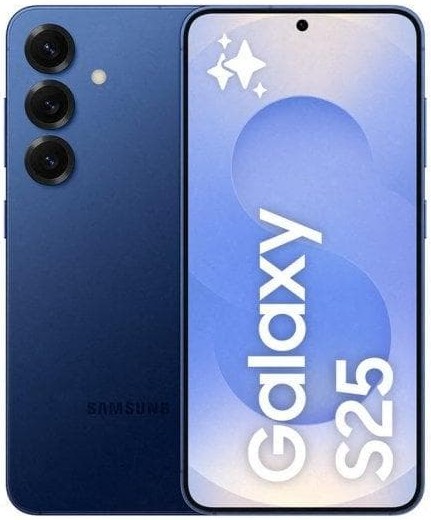
The Galaxy S24 range introduced meaningfully improved low-light processing over its predecessor along with sharper telephoto results at moderate zoom levels, while the newer Galaxy S25 range builds on that with further-refined night photography and steadier video capture. Both sit within our wider Samsung phones refurbished selection, which spans several generations and grades so you can weigh camera generation against condition and budget together.
Flagship Camera Capability by Generation Tier
Rather than comparing individual models directly, it’s often more useful to think in tiers, since both manufacturers’ camera systems tend to cluster into broadly comparable capability bands across a given release window.
| Tier | Typical Sensor & Lens Setup | Low-Light Handling | Zoom Capability | Video Stabilisation |
|---|---|---|---|---|
| Entry-level | Single or dual lens, smaller main sensor | Basic night mode, noticeable grain in dim conditions | Digital zoom only, softens quickly beyond 2x | Electronic stabilisation only, visible judder when walking |
| Mid-range | Triple lens with a modest ultra-wide, mid-size main sensor | Solid multi-frame night mode with reasonable detail retention | Short optical range (around 2x) plus usable digital zoom to 5x | Combined OIS and EIS, smooth in most everyday conditions |
| Flagship | Triple or quad lens, large main sensor with dedicated telephoto | Advanced computational stacking, strong detail retention after dark | True optical telephoto (3x–5x) with usable computational zoom well beyond that | Tripod-like stabilisation even in motion, cinematic focus modes |
Positioned against that table, it becomes clear why a refurbished flagship so often beats a brand-new entry-level or mid-range phone on camera capability alone, even though the flagship is technically the “older” device by launch date.
Why a Refurbished Flagship Is Often the Smarter Camera Purchase
The camera system in a flagship phone is one of its most expensive components to develop, and that cost is baked into the launch price. Buying refurbished lets you access that same camera hardware once the phone has been through a full inspection, repair-where-needed, and grading process – at a fraction of what it cost when new. Devices start from £69 across our refurbished range, though pricing naturally varies by model, generation, and grade.
What “Refurbished” Actually Means Here
A properly refurbished phone isn’t simply a second-hand device passed along as-is. Every unit we sell goes through a structured inspection and repair process before it’s graded and listed, which typically covers:
- Full functional testing of every camera module, including autofocus, stabilisation, and night mode
- Screen inspection for dead pixels, discolouration, and touch responsiveness
- Battery health testing against original capacity benchmarks
- Buttons, charging port, and wireless connectivity checks
- Replacement of any faulty components found during testing
- A complete factory data wipe to industry-standard specifications
That last point matters more than buyers sometimes realise: a genuine factory-level wipe means you receive a phone with no trace of the previous owner’s data, exactly as you would expect from a brand-new device, rather than a simple reset that might leave residual files behind.
If you want a deeper explanation of how the grading system works and what separates one condition tier from another, our guide on the different refurbished grades breaks down exactly what to expect cosmetically and functionally at each level.
The Environmental Case Sits Alongside the Financial One
Every refurbished phone sold is one fewer device mined, manufactured, and shipped from scratch, and one fewer phone sent to landfill or left forgotten in a drawer. Smartphone manufacturing carries a genuinely significant environmental footprint, most of it front-loaded into the mining and manufacturing stage rather than ongoing use, which means extending a device’s working life through refurbishment and resale is one of the more meaningful everyday choices available to a consumer. It’s a practical decision and a responsible one at the same time, not a compromise between the two.
Support Doesn’t Stop at the Sale
A refurbished purchase should come with the same peace of mind as buying new, which is why every device we sell is backed by a clear warranty and UK-based customer support if anything goes wrong after delivery. Full details of what’s covered, for how long, and how to make a claim are set out on our warranty policy page, and it’s worth reading before you buy so you know exactly what protection you have from day one.
How Grading Affects the Camera Specifically
Grading systems across the refurbished market typically focus on overall cosmetic and functional condition, but two specific areas deserve extra attention if photography is your priority: the camera lens itself, and the screen you’ll use to judge every shot.
Lens and Camera Glass Condition
The lens cover glass sits proud of the phone’s body on most flagship designs, which makes it one of the more exposed components to everyday wear. A hairline scratch across a lens might not affect a casual glance at the phone, but it can introduce flare, haze, or softness in photos, particularly when shooting toward a light source. When you receive a graded phone, it’s worth checking the lens surfaces under a bright light at an angle, where fine scratches catch the light and become visible in a way they wouldn’t under normal room lighting. Our guide on how to check if a refurbished phone has been repaired covers this alongside other condition checks worth running when a device arrives.
Why Screen Condition Affects How You Judge Your Own Photos
It’s easy to overlook, but the screen you review your photos on directly shapes how you perceive their quality – a dim, scratched, or poorly calibrated display can make a genuinely excellent shot look flat or muddy, and can equally make a mediocre one look better than it is. This is one of several reasons screen condition carries real weight in grading, quite separate from the camera hardware itself, and it’s worth factoring in when weighing up which grade suits your budget and expectations.
Testing Your Refurbished Phone’s Camera the Moment It Arrives
Every device we sell is fully tested before it’s dispatched, but it’s still good practice to run your own quick checks as soon as a phone arrives, both for peace of mind and so any issue is caught well within the warranty period.
- Take a handful of test shots in bright daylight, indoor lighting, and a genuinely dark room, checking each for consistent focus, colour accuracy, and absence of unexpected spots or shadows in the frame.
- Zoom in fully on a few of those shots at 100% to check for dead or stuck pixels on the sensor, which show up as a single persistently wrong-coloured dot in the same spot across multiple photos.
- Record a short handheld video clip while walking to confirm stabilisation is functioning as expected, comparing it against sample footage online for the same model if you’re unsure.
- Test autofocus by pointing at a close object, then a distant one, confirming the camera refocuses smoothly and quickly between the two.
- Try night mode or low-light shooting after dark, checking that the resulting image is reasonably clear rather than excessively grainy or blurred.
- Inspect the lens glass itself under an angled light source for scratches, haze, or any residue that might not have been visible during a quick initial glance.
If anything feels off against any of these checks, get in touch straight away rather than waiting – catching an issue early makes any warranty claim faster and more straightforward to resolve.
Matching Camera Capability to How You Actually Use Your Phone
Not everyone needs the absolute top tier of camera hardware, and being honest about how you’ll actually use the phone will save you from overspending on capability you won’t use, or underspending on capability you’ll wish you had.
- Family and everyday moments: prioritise reliable autofocus and solid low-light performance over an aggressive zoom range, since most family photography happens at close-to-medium distance indoors or in changeable outdoor light.
- Travel and landscapes: a strong ultra-wide lens and good dynamic range processing will matter more than telephoto reach, particularly for architecture and scenery shots.
- Wildlife, sport, or distant subjects: genuine optical telephoto range becomes far more important here than in most other use cases, so check the specific zoom hardware rather than trusting a headline “zoom” number.
- Content creation and video: look closely at video stabilisation modes and frame rate options, since stills quality alone won’t tell you much about how a phone performs for moving footage.
- Casual, budget-first buyers: a mid-tier or older flagship camera system will comfortably outperform a brand-new entry-level phone for a fraction of the outlay, particularly once bought refurbished.
If Camera Quality Matters But Budget Comes First
Not every buyer needs flagship-tier camera hardware, and there’s a lot to be said for a well-chosen budget device if your photography needs are modest. Our cheap smartphones range and dedicated best budget smartphones guide both cover models that handle everyday photography perfectly well without flagship-level telephoto or computational processing. The honest advice here is to match spend to actual use: a casual snapshotter genuinely doesn’t need the same camera system as someone shooting video content or serious travel photography, and there’s no shame in choosing accordingly.
Working Out What Your Current Phone Is Worth First
If you’re upgrading specifically for a better camera, it’s worth checking what your existing device could fetch before you buy, since trading in can meaningfully offset the cost of stepping up a tier. Our guide on how much your phone is worth walks through the main factors that affect trade-in value, including condition, age, and model demand.
Addressing the Scepticism Around Buying Refurbished
It’s a reasonable question to ask whether a refurbished flagship can really deliver the same camera experience as buying new, and it’s one we’d rather answer directly than skip past. In short: the camera hardware itself doesn’t change through refurbishment – it’s the exact same sensor, lens assembly, and processing chip the phone shipped with – what changes is that the unit has been inspected, any faulty parts replaced, cosmetically graded, and fully data-wiped before resale. Our guide on whether refurbished phones are good goes into more detail on the testing standards involved and what buyers consistently report back after purchase, if you’d like the fuller picture before deciding.
Bringing It Together: Choosing Your Next Camera Phone
The best camera phone for you isn’t necessarily the newest or most expensive one on the shelf – it’s the one whose specific strengths line up with how you actually take photos, at a condition and price point that makes sense for your budget. Understanding sensor size, computational processing, zoom hardware, and stabilisation gives you a genuine basis for comparison rather than relying on marketing claims, and knowing how grading affects lens and screen condition means you can buy a refurbished flagship with real confidence rather than crossed fingers. Whether you land on a recent iPhone generation, a Samsung Galaxy S-series model, or a well-specified budget alternative, the fundamentals in this guide should make the decision considerably easier – and our team is on hand if you’d like tailored advice before you buy.
FAQs About Choosing a Camera Phone
If you can only look at one thing, make it sensor size on the main lens rather than the megapixel count. A larger sensor gathers more light per shot, which directly affects noise levels, colour accuracy, and how well the phone copes once the light starts to fade.
Not on their own. Megapixel count describes resolution, not the amount of light the sensor can capture, and a phone with a lower megapixel figure but a physically larger sensor will often produce cleaner, more natural-looking images than one boasting a much higher number.
For anything beyond a very slight crop, yes. Optical zoom uses a genuine second lens to magnify the subject before the sensor ever captures the image, while digital zoom simply crops and enlarges what the main lens already saw, which softens detail quickly the further you push it.
Night mode captures a rapid burst of frames at varying exposures, aligns them despite any hand movement, and blends the clearest, best-lit portions of each into a single finished photo. It’s a computational process rather than a hardware one, which is why processing quality varies so much between manufacturers.
It’s easy to overlook until you actually need it, but weak stabilisation is one of the most common reasons handheld clips end up unwatchable. If there’s any chance you’ll record video of children, pets, travel, or events, it’s worth checking stabilisation quality even if stills are your main priority.
Yes, because the camera hardware itself is unchanged by refurbishment. A graded, professionally tested device carries the exact same sensor, lens assembly, and processing chip it launched with, inspected and repaired where necessary rather than altered in any way that would affect image quality.
Grading is mostly cosmetic and functional condition, but it’s worth paying closer attention to lens surfaces specifically, since scratches there can introduce flare or softness even on an otherwise excellent-condition phone. Screen condition also matters indirectly, as it affects how accurately you judge your own photos.
Hold the phone under a bright light at a shallow angle rather than looking straight down at the lens, since fine scratches and haze are far more visible at an angle than under normal room lighting. Take a few test shots toward a light source afterwards to check for any unusual flare.
A properly refurbished device should go through a complete factory-level data wipe to industry-standard specifications as a standard part of the reconditioning process, leaving no trace of the previous owner’s information, in exactly the same way a new device arrives with a clean slate.
Very often, yes. Flagship camera systems from a few years ago typically include larger sensors, genuine optical telephoto lenses, and more mature computational processing than a current entry-level device, which tends to launch with cost-cut camera hardware to hit a lower price point.
More than most buyers expect. A dim, scratched, or poorly calibrated display can make a genuinely good photo look flat, while a bright, accurate one can make you second-guess a shot that’s actually fine, so it’s worth factoring screen grade into your decision alongside the camera specs themselves.
Take a spread of test shots in bright, indoor, and dark conditions, record a short handheld video clip while walking to check stabilisation, and inspect the lens glass under angled light. Running through these checks early means any issue is caught well within your warranty period.
It’s usually worth at least checking, since trade-in value can meaningfully offset the cost of stepping up a camera tier, particularly if your current phone is still in reasonable working condition. It’s a step many buyers skip simply because they don’t realise how much a used device can still be worth.