
iPhone vs Samsung: Which Should You Buy?
Trying to settle the iPhone vs Samsung question once and for all? You’re not alone – it’s one of the most searched phone comparisons in the UK precisely because the “right” answer depends entirely on how you actually use a phone, not which brand shouts loudest. Below, we compare cameras, durability, battery, software longevity and ecosystem lock-in honestly, then show how buying refurbished changes the value equation for both.
Sort by:
Sort



















Free UK Delivery

12 months warranty

Good for the Planet, Great for You

Tested Refurbished
iPhone vs Samsung at a Glance: Head-to-Head Feature Comparison
Before getting into the detail, here’s a straight side-by-side of how the two ecosystems generally compare across the factors buyers care about most. Treat this as a starting orientation rather than a final verdict – every section below unpacks the reasoning behind each row.
| Factor | iPhone | Samsung Galaxy |
|---|---|---|
| Operating system | iOS – one version, tightly controlled | One UI on Android – highly customisable |
| Camera philosophy | Consistent, natural colour science; strong video | More hardware variety, longer zoom, punchier processing |
| Update support | Historically around 5-6 years of major OS updates | Multiple years of updates on current flagship Galaxy models |
| Customisation | Limited – locked home screen grid and default apps | Deep – swappable launchers, default apps and file access |
| Form factors available | Flat slab designs only | Flat slabs plus folding Z Flip and Z Fold designs |
| Cross-device ecosystem | Seamless, but Apple-only (AirDrop, Handoff, Continuity) | More open across brands, via Google and Samsung tools |
| Build materials | Aluminium/titanium frame, ceramic-reinforced glass | Aluminium/titanium frame, reinforced armoured glass |
iOS or Android: Two Very Different Ways of Owning a Phone
Ask ten people why they’d never switch away from their current phone and you’ll get ten answers rooted in the same underlying truth: iPhone vs Samsung isn’t really a hardware argument first, it’s a philosophy argument. Apple builds a single, tightly controlled experience across a small handful of devices each year. Samsung builds dozens of devices spanning several price points and form factors, all running a heavily customised version of Android called One UI. Neither approach is objectively “better” – they solve different problems for different people, and understanding that distinction properly is the fastest way to stop scrolling comparison videos and actually make a decision.
This guide walks through the practical differences that matter when you’re choosing between the two ecosystems: cameras, build quality, battery, how long each brand supports its phones with updates, how deep the ecosystem lock-in really goes, and – because this is something most comparison articles skip entirely – how the calculus changes once you start looking at refurbished iPhones and refurbished Samsung phones rather than brand-new retail units.
How Apple’s Closed Ecosystem Shapes the iPhone Experience
Apple controls the hardware, the operating system, the App Store, and increasingly the chips inside its own laptops too. That vertical integration is why an iPhone feels so consistent from one generation to the next: iOS behaves almost identically whether you’re holding a three-year-old handset or this year’s model, and every app in the App Store has been through the same review process. For anyone who also owns a MacBook Air, a MacBook Pro, or an iPad Air, that consistency compounds – messages, browser tabs, clipboard contents and even FaceTime calls hop between devices with almost no setup required.
The trade-off is choice. There is one iPhone screen size range each year, one design language, and comparatively little you can change about how the home screen or default apps behave. If you want a phone that looks and behaves differently from everyone else’s, or you want a folding form factor, Apple currently doesn’t offer that – Samsung does.
How Samsung’s One UI Approach Gives You Room to Roam
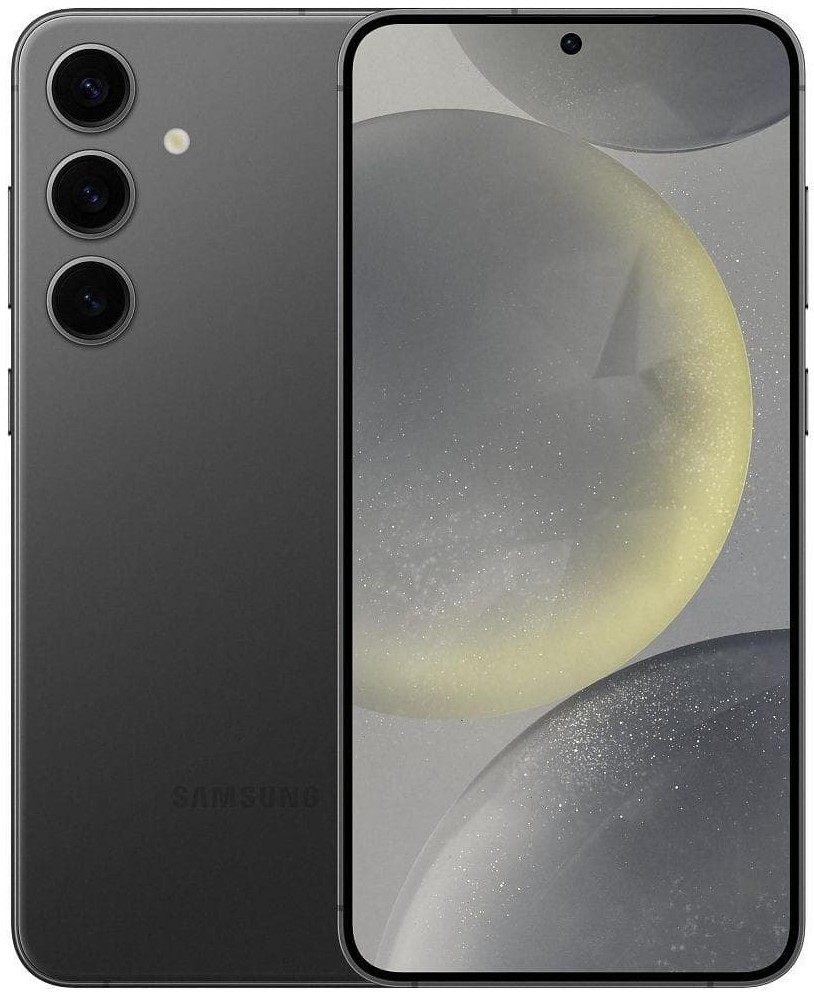
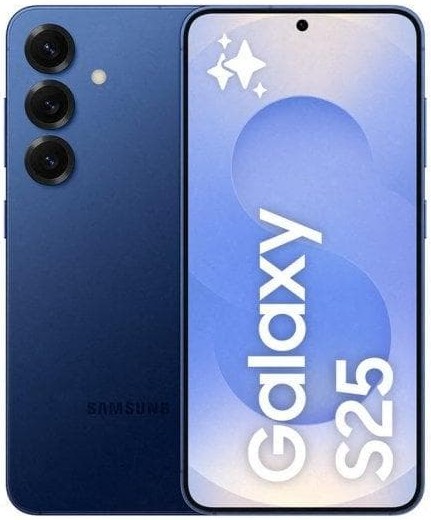
Samsung’s Android skin, One UI, is built on the philosophy that the owner – not the manufacturer – should decide how a phone looks and behaves. Default apps can be swapped for almost anything, home screens can be rebuilt from scratch with third-party launchers, and file management is far more open than on iOS. Samsung also ships genuinely different hardware shapes within a single line-up: flat slabs like the Galaxy S24 and Galaxy S25 sit alongside genuinely folding devices like the Galaxy Z Flip and Galaxy Z Fold, none of which have a direct Apple equivalent yet.
Customisation depth on Galaxy handsets
Where iOS gives you widgets and a locked grid, One UI gives you:
- Fully swappable default apps for browsing, messaging, calling and email
- Alternative launchers that change the entire home screen layout and app drawer behaviour
- Native file manager access, including to system folders that iOS keeps hidden
- Split-screen and floating-window multitasking that goes noticeably further than iPadOS-style app switching
If you’re the kind of owner who enjoys tweaking a device until it fits you exactly, that flexibility is a genuine reason to lean Samsung. If you’d rather never think about settings again, it’s arguably clutter – which is exactly the trade-off this whole comparison keeps coming back to.
Camera Systems Compared: Computational Consistency vs Versatile Hardware
Camera quality is the single most-cited reason people give for choosing a phone, yet it’s also the area where “which is better” depends heavily on what you actually photograph.
Apple’s Camera Philosophy: Fewer Decisions, Consistent Results
Apple’s camera processing aims for a natural, slightly conservative colour profile that looks similar across the whole current iPhone range. Point-and-shoot reliability is the priority – you’re not expected to tweak settings, and video in particular benefits from industry-leading stabilisation and colour science that professional videographers rely on. The trade-off is that Apple has historically been slower to adopt aggressive zoom hardware, and its computational tricks lean towards restraint rather than dramatic enhancement.
Samsung’s Camera Philosophy: More Hardware, More Control
Samsung’s flagship Galaxy phones typically pack more physical camera hardware – higher-resolution main sensors and longer periscope zoom lenses – alongside a Pro mode that exposes manual control over shutter speed, ISO and focus. Samsung’s default processing tends to boost saturation and sharpness more aggressively out of the box, which plenty of buyers prefer for social sharing, while others find it less true-to-life than Apple’s approach.
Zoom and telephoto differences
This is one of the clearest hardware gaps between the two brands. Samsung’s top-tier Galaxy S models have offered significantly longer optical and hybrid zoom ranges than equivalent iPhones for several generations running, making them the stronger pick for anyone who regularly photographs distant subjects – wildlife, sports, stage performances – without carrying a separate lens.
Build Quality, Durability and Design Language
Both brands now use aerospace-grade aluminium or titanium frames and the latest generations of scratch-resistant glass on their flagship models, and both carry solid IP68 water and dust resistance ratings. Where they differ is design philosophy rather than raw toughness.
Materials and Everyday Drop Resistance
Apple’s flat-edge design (introduced with the iPhone 12 line and continued since) distributes drop impact differently to Samsung’s more rounded, curved-edge Galaxy design – neither is definitively more shatter-resistant in independent drop testing, and outcomes vary more by case usage than by brand. Refurbished units from either brand that have passed a proper multi-point grading process will have had their frames and screens inspected for exactly this kind of structural damage before resale, which matters more for long-term reliability than the marketing spec sheet does.
Form Factor Variety: Where Samsung Pulls Ahead
If foldable design is something you’re curious about, Samsung is currently the only mainstream option. The Galaxy Z Flip line offers a compact clamshell that halves in size for pocketability, while the Galaxy Z Fold opens into a tablet-sized display for multitasking and media. Apple has no folding iPhone on the market at the time of writing, so anyone drawn to that form factor has one answer available today.
Display Technology: Similar Panels, Different Tuning
Both brands now rely on high-refresh OLED panels manufactured to extremely high standards – indeed, Samsung’s display division supplies panels used across the industry, iPhone included. The visible difference comes down to software tuning rather than raw panel quality: Apple tends to favour a slightly cooler, more colour-accurate calibration aimed at photo and video professionals, while Samsung’s default display profile is tuned for punchier, more saturated output that many buyers find more eye-catching in bright daylight. Peak brightness figures on current flagship models from both brands are now close enough that outdoor visibility is rarely a deciding factor either way.
Battery Life and Charging Habits
Real-World Endurance
Battery life comparisons are notoriously unreliable when based on manufacturer claims alone, because usage patterns swing results wildly. In practical daily use, both brands’ current flagship-tier phones typically deliver a full day of moderate use, with larger Ultra/Pro Max variants from either brand extending comfortably into a second day for lighter users. Software optimisation plays a bigger role than raw battery capacity here – iOS is generally regarded as slightly more power-efficient per milliamp-hour, while Samsung tends to compensate with larger physical batteries in its bigger models.
Charging Speed and Standards
Samsung has generally supported faster wired charging speeds across its Galaxy range than Apple has offered on equivalent iPhones, and Android’s broader adoption of USB-C fast-charging standards has historically given Galaxy owners more third-party charger choice. Apple’s move to USB-C across the current iPhone line-up has narrowed this gap considerably, though Samsung still tends to lead on outright charging wattage. If battery health is a concern on a phone you already own, it’s worth learning how to check phone battery health on both iPhone and Android before assuming a swollen or ageing battery needs a full replacement device.
Software Update Longevity: How Long Will Your Phone Actually Last?
This is arguably the most underrated factor in the whole iPhone vs Samsung debate, because it directly determines how many years of security patches and new features your purchase will receive.
Apple’s Update Track Record
Apple has a long-standing reputation for supporting iPhones with major iOS updates for around five to six years after release, sometimes longer for flagship models. That track record is a major reason refurbished iPhones – including older but still well-supported models in our iPhone 15 and iPhone 16 ranges – remain genuinely useful purchases years after their original launch date.
Samsung’s One UI Update Commitment
Samsung has significantly closed this gap in recent years, now committing to multiple years of OS upgrades and security patches on its flagship Galaxy S, Z Flip and Z Fold devices – a commitment that puts it much closer to Apple’s historical standard than Android manufacturers managed a decade ago. It’s still sensible to check the specific update policy for the exact model and generation you’re considering, since commitments can vary between flagship and budget Samsung ranges. Our Samsung phones buyer’s guide breaks down which current models get the longest support windows.
Ecosystem Lock-in: AirDrop, Continuity and the Samsung/Google Answer
Apple’s Continuity Features
AirDrop, Handoff, Universal Clipboard, and the ability to answer an iPhone call from a MacBook or take a FaceTime call on an iPad are the features Apple loyalists point to most often when explaining why they’ve never left the ecosystem. These features work brilliantly, but only between Apple devices – an iPhone owner with a Windows laptop or an Android tablet loses almost all of that convenience.
Samsung and Google’s Answer
Samsung pairs its Galaxy phones with Google’s own cross-device ecosystem (Quick Share, Nearby Share, and deep Google Workspace integration), plus Samsung-specific extras like Quick Share to Windows PCs and DeX, which turns a Galaxy phone into a desktop-style interface when connected to a monitor. It’s a more fragmented ecosystem than Apple’s because it spans two companies rather than one, but it’s also considerably more open – a Galaxy phone talks to a Windows PC, a Chromebook and an iPad-adjacent Android tablet far more easily than an iPhone talks to any non-Apple device.
Cross-Platform Friction Points
The most common friction points buyers report when switching between ecosystems include:
- Green vs blue bubble messaging differences when texting between iPhone and Android
- Smartwatch lock-in – Apple Watch only pairs with iPhone, while Galaxy Watch pairs more flexibly
- Losing AirDrop convenience when moving from iPhone to any Android device, including Samsung
- Re-purchasing paid apps that don’t have a cross-platform licence between the App Store and Google Play
None of these are dealbreakers on their own, but stacked together they explain why so many buyers feel “stuck” in whichever ecosystem they started in – and why this decision is worth making deliberately rather than by default.
Resale Value and Refurbished Availability
Here’s where the refurbished market becomes genuinely relevant to the iPhone vs Samsung decision, rather than an afterthought.
iPhone Resale Value and Refurbished Supply
iPhones consistently hold their resale value better than almost any other phone brand, which is a double-edged sword for buyers: it makes buying new more expensive relative to depreciation, but it also means the refurbished and used market is large, mature and well-supported by graders because so many original owners trade in or resell every year. That supply is exactly why a wide range of refurbished iPhone conditions and generations are consistently available at accessible prices.
Samsung Resale Value and Refurbished Supply
Samsung flagships depreciate somewhat faster than iPhones on the open market, which sounds like a downside for original owners but works in the buyer’s favour on the refurbished side – you’ll often find recent flagship Galaxy hardware, including the Galaxy S24, Galaxy S25 and foldable Z Flip and Z Fold models, refurbished to an excellent standard at a proportionally larger saving against original retail than you’d typically see with iPhone.
Which Buyer Profile Suits Which Brand?
Rather than declaring an overall “winner,” it’s more useful to match the phone to the person. The table below summarises how the two ecosystems tend to suit different kinds of buyers, based purely on features and habits rather than price.
| Buyer Profile | Better Suited To | Why |
|---|---|---|
| Already owns a MacBook or iPad | iPhone | Continuity, Handoff and AirDrop only work fully within Apple’s ecosystem |
| Wants to customise home screen, default apps and file access | Samsung | One UI allows far deeper personalisation than iOS permits |
| Wants a folding phone | Samsung | Z Flip and Z Fold have no direct Apple equivalent currently |
| Prioritises long-term video editing and colour consistency | iPhone | Strong, consistent video colour science across the range |
| Wants the longest possible optical zoom range | Samsung | Galaxy S Ultra periscope lenses outreach current iPhone zoom hardware |
| Buying for an older or less tech-confident relative | Either, simplified | See our guide to mobile phones for elderly users for accessibility-first picks from both ecosystems |
| Wants the widest choice of budget-friendly Android hardware | Samsung / Android generally | Explore our cheap Android phones range for entry-level and mid-range Galaxy options |
| Simply wants the lowest overall cost, regardless of brand | Either, refurbished | See our cheap smartphones range across both ecosystems |
How Buying Refurbished Changes the Calculus for Both Brands
Whichever ecosystem you lean towards, buying refurbished rather than brand new changes the maths significantly – and it’s worth understanding exactly how before you decide.
Grading Explained: What “Refurbished” Actually Means
A properly refurbished phone has been assessed against a structured grading scale that inspects the screen, chassis, buttons, cameras and battery health, then sorted into a condition tier – typically ranging from like-new to good, with cosmetic wear clearly disclosed rather than hidden. This is fundamentally different from buying a phone second-hand directly from a stranger, where none of that inspection has necessarily happened. If you’re weighing up the two routes, our guide on the difference between refurbished and second-hand phones spells out exactly what protection you gain by choosing a graded, warrantied refurbished unit instead.
Testing, Warranty and Genuine Peace of Mind
Before any refurbished iPhone or Samsung device is listed for sale, it should go through a comprehensive functional test – battery health, charging port, speakers, microphones, cameras, buttons, biometric sensors (Face ID or fingerprint), Wi-Fi, Bluetooth and cellular connectivity all checked individually. A meaningful warranty period on top of that testing is what separates a trustworthy refurbished retailer from a risky private resale: it means that if something wasn’t caught in testing, you’re covered rather than out of pocket.
Data Wiping and the Environmental Case for Refurbished
Every refurbished handset should be fully data-wiped to an industry-recognised standard before resale, removing all trace of the previous owner’s accounts, photos and personal information – never simply factory-reset and hoped for the best. Beyond the personal privacy angle, choosing refurbished over new has a genuine environmental benefit: manufacturing a single new smartphone has a substantial carbon and raw-material footprint, and extending a device’s usable life by even one additional owner meaningfully reduces electronic waste and the demand for newly mined rare-earth minerals.
What Refurbished Actually Buys You
In practical terms, buying refurbished – whether iPhone or Samsung – typically means:
- A fully tested, professionally graded handset rather than an unknown-condition private sale
- A clearly disclosed cosmetic condition, so there are no surprises on arrival
- A warranty period that a private seller simply cannot offer
- Certified data wiping, protecting the previous owner’s privacy and your own peace of mind
- A lower environmental footprint than buying new, without compromising on core functionality
- Significant savings against original retail pricing, with entry-level refurbished handsets available from £69
That last point is worth sitting with: refurbished pricing brings both ecosystems within reach of far more budgets than new retail pricing ever does, which is precisely why the iPhone vs Samsung decision should be based on which experience suits you – not which one you can technically afford new.
Making the Switch: What to Check Before You Commit
If you’re moving from one ecosystem to the other rather than simply upgrading within your current brand, a little preparation avoids most of the common headaches.
Before You Switch, Check:
- Whether your paid apps and subscriptions have equivalents on the new platform
- How you’ll move photos, contacts and messages across – our step-by-step guide to transferring data to a new iPhone covers the process in full if you’re heading that direction
- Whether any smart home, watch or accessory ecosystem you rely on is tied to your old platform
- Whether your chosen model’s battery health and general condition have been independently verified, particularly on a refurbished unit
If you’re staying on Samsung but simply want to understand a new handset’s basics, it’s worth knowing simple things like how to turn a Samsung phone off properly – small, model-specific quirks like this trip up more new owners than you’d expect, especially on devices with side-mounted power and Bixby buttons.
A Quick Mental Checklist
If you’re still torn after everything above, run through these questions in order – most people find their answer by the third or fourth one:
- Do you already own an Apple laptop, tablet or smartwatch that you’d want your phone talking to seamlessly?
- Do you want to change your default browser, messaging app, or home screen layout, rather than accept the manufacturer’s defaults?
- Is a folding form factor genuinely appealing to you, or is it a novelty you’d rarely use?
- Does your photography lean towards video and colour consistency, or towards long-range zoom and manual control?
- Are you buying refurbished, and if so, does the specific model you’re considering still have several years of software updates ahead of it?
Final Verdict: There’s No Universal Winner
If your honest answer to “what do I already own?” includes a MacBook, an iPad or an Apple Watch, the ecosystem pull towards iPhone is strong enough that fighting it rarely makes sense. If you value the freedom to customise your home screen, want access to genuinely different hardware shapes like a folding phone, or simply prefer Android’s more open file system, Samsung’s Galaxy range delivers all of that without meaningfully compromising on camera quality, build quality or long-term software support compared with where it stood a decade ago.
Either way, buying refurbished rather than new is one of the few decisions in this entire comparison that has no real downside – a properly graded, tested, warrantied and data-wiped refurbished iPhone or Samsung device gives you the full ecosystem experience you actually want, at a fraction of the cost of buying new, while keeping a working handset out of landfill for another few years. Browse our full range of refurbished iPhones and refurbished Samsung phones side by side, and make the choice based on how you actually want to use your next phone – not which logo happens to be on the back of it.
iPhone vs Samsung FAQs
Both brands make the transition straightforward, but the two operating systems ask different things of a first-time smartphone owner. iOS presents a fixed, predictable layout that’s arguably easier to learn because there’s only one way to do most things, while Samsung’s One UI offers more flexibility but a slightly steeper initial learning curve as you discover which settings can be changed. Neither is objectively harder — it usually comes down to whether a friend or family member already owns the same brand and can offer hands-on help getting set up.
Current-generation iPhones and Samsung Galaxy phones both use USB-C, so the physical cable and many chargers are now interchangeable. Charging speed and supported fast-charging standards still differ between the two brands, so a charger rated for one may not deliver its fastest possible speed on the other — check the wattage rating printed on the charger itself if charging speed matters to you.
Standard SMS and MMS messages work fine between any two phones regardless of brand. What you lose is iMessage-specific features — read receipts, high-quality media, and the blue bubble — when texting from Samsung to iPhone, since iMessage is exclusive to Apple devices. Third-party messaging apps that work identically on both platforms are a common workaround for groups that mix ecosystems.
Apple has historically supported iPhones with major iOS updates for around five to six years, which for a long time was unmatched in the smartphone market. Samsung has closed much of that gap on its flagship Galaxy S, Z Flip and Z Fold ranges, now committing to several years of OS upgrades and security patches. Support windows can vary by specific model and generation, so it’s worth checking the commitment for the exact device you’re considering rather than assuming it applies uniformly across the whole range.
Broadly, yes. Current flagship models from both brands use similar-grade aluminium or titanium frames and reinforced glass, and both carry comparable IP68 water and dust resistance ratings. Independent drop-test results tend to show more variation based on how a phone is cased and used day to day than any consistent structural advantage for one brand over the other.
iPhones are widely recognised as holding their resale value better than most Android phones, Samsung included, partly because of Apple’s longer update support window and a large, established resale market. This works in a buyer’s favour when shopping refurbished, however — faster Samsung depreciation on the original retail market typically translates into a proportionally larger saving when buying the same model refurbished.
Modern folding Samsung devices have gone through several hardware generations of hinge and screen durability improvements, and current models are rated for tens of thousands of fold cycles under normal use. As with any phone, a screen protector designed specifically for a foldable display and sensible care around debris in the hinge area will extend its lifespan considerably.
Neither direction is inherently harder, though the two switches feel different. Moving from Samsung to iPhone usually means adjusting to less customisation freedom but gaining tighter integration with any other Apple devices you own. Moving from iPhone to Samsung means gaining flexibility but losing Apple-exclusive continuity features like AirDrop and Handoff. Most core data — contacts, photos and messages — transfers across using each brand’s official migration tools regardless of direction.
Samsung’s flagship Galaxy S Ultra line has generally offered a longer optical and hybrid zoom range than equivalent iPhone models for several generations, making it a stronger choice for photographing distant subjects like wildlife or live events. iPhone’s camera strengths lie more in consistent colour science and video stabilisation than in outright zoom reach.
A properly refurbished handset should always be sold with a warranty period covering functional faults, separate from any statutory consumer rights. This is one of the clearest advantages a graded refurbished purchase has over a private second-hand sale, where no such cover typically exists. Always confirm warranty length and what it covers before buying refurbished, from any retailer or brand.
Yes, noticeably. One UI adds Samsung-specific design elements, default apps, and features like DeX desktop mode and Samsung Pay, layered on top of the underlying Android operating system Google develops. Someone used to a different Android phone will still find Samsung’s version familiar in structure, but with a distinct visual style and an extra layer of proprietary features not found on stock Android.
No — Apple Watch requires an iPhone to function and cannot be paired with any Android device, Samsung included. Samsung’s Galaxy Watch range is more flexible and can pair with a wider range of Android phones, though its full feature set is generally optimised for Samsung’s own Galaxy handsets. This is worth factoring in if you already own a smartwatch and are choosing which phone to pair it with.
Start with what you already own rather than the phone itself — existing laptops, tablets or smartwatches often make the ecosystem decision for you. From there, weigh how much you value customisation versus consistency, whether a folding form factor appeals to you, and which camera style suits how you actually take photos. Buying refurbished removes most of the cost pressure from the decision, so you can choose based on genuine day-to-day fit rather than budget alone.
It should be, without exception. A trustworthy refurbished retailer will fully erase every previous owner’s data — accounts, photos, messages and app data — using a certified wiping process before any device is resold, rather than relying on a standard factory reset alone. This protects the previous owner’s privacy entirely and ensures the device arrives to you as a genuinely clean slate, ready for your own Apple ID or Google account from first setup.