
Best Inexpensive Cell Phones
Finding a genuinely good inexpensive phone is about more than spotting the lowest price tag – it’s about understanding which specs actually matter and where the hidden compromises are. At iExpert Market, we help you compare inexpensive cell phones the right way: by processor generation, RAM, storage, camera quality, battery health and software support, not just the headline price.
Every handset we sell is professionally tested, fully unlocked and backed by a 12-month warranty, with prices starting from just £69. This guide breaks down exactly how to judge genuine value for money on a budget-friendly phone, so you avoid overpaying for outdated hardware or underpaying for a device that won’t last the year.
If you already know you want our top-rated picks, see our Best Budget Smartphones guide for a fully ranked shortlist. Prefer to browse by brand or deal type instead? Check our cheap mobile phone deals or, if simplicity matters more than specs, our simple mobile phones range. Read on to learn how to spot genuine value in the inexpensive phone market – and shop with total confidence.
Sort by:
Sort

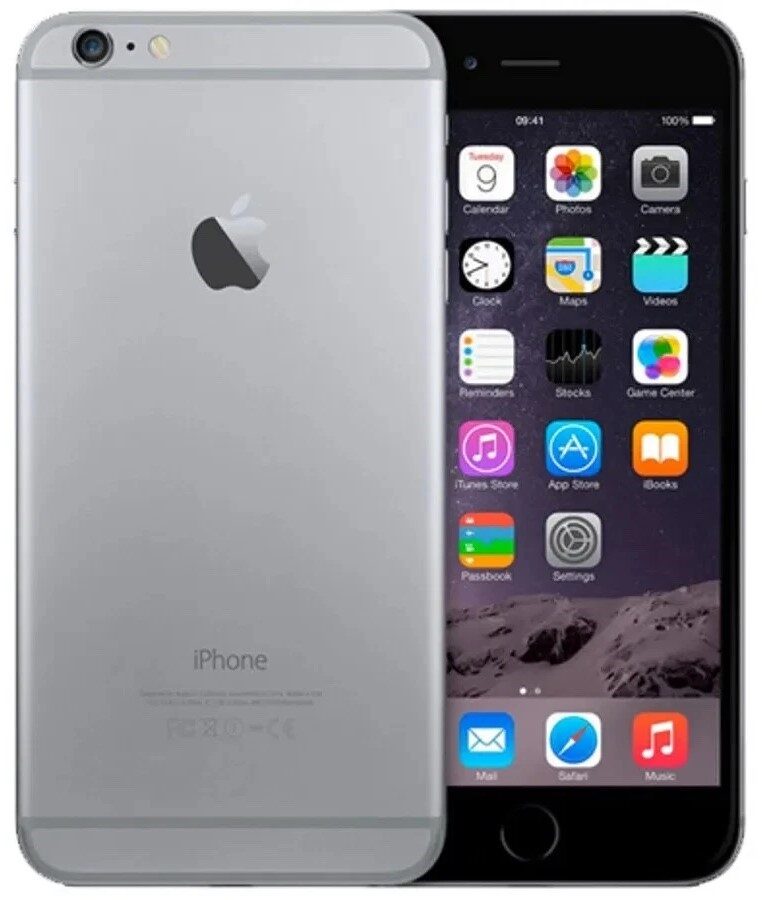

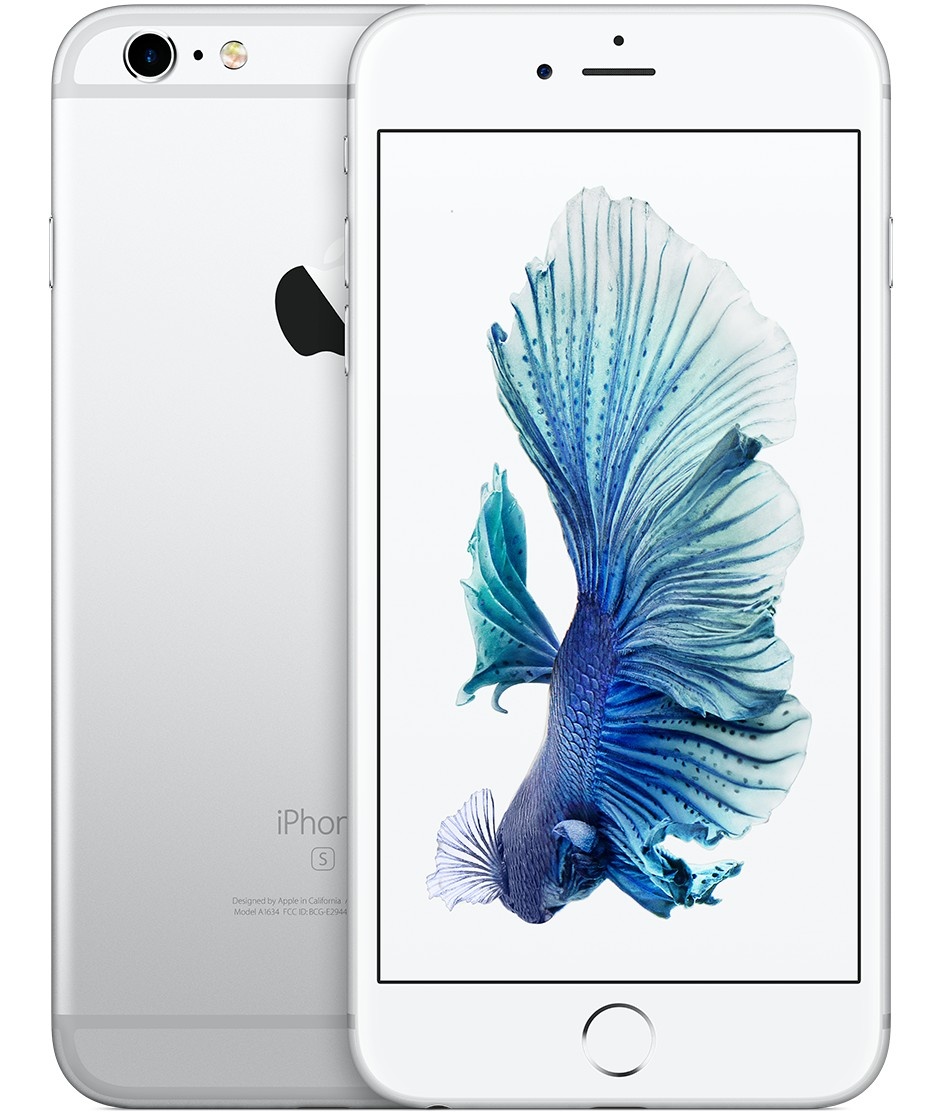


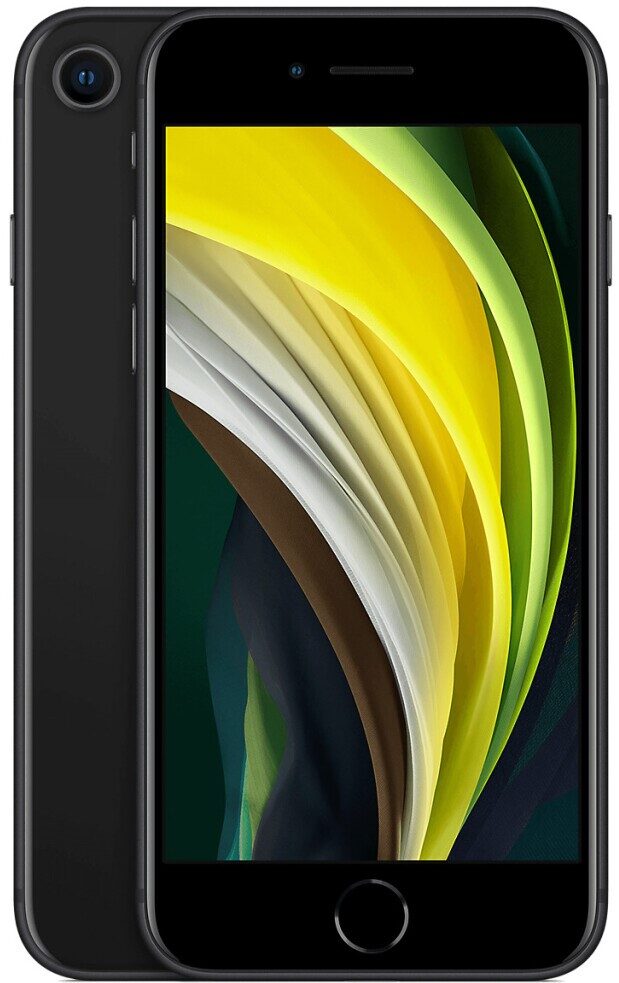


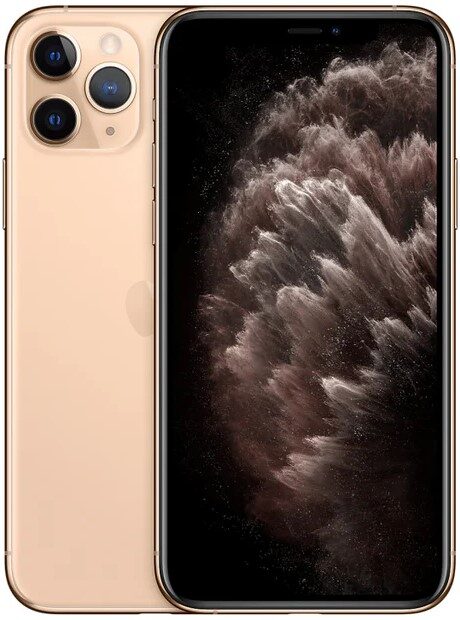


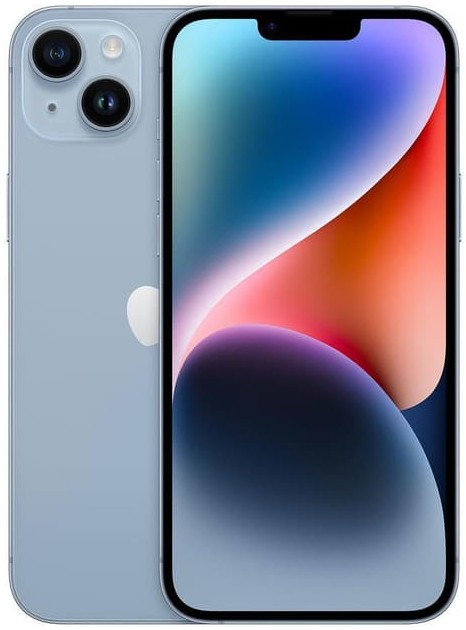




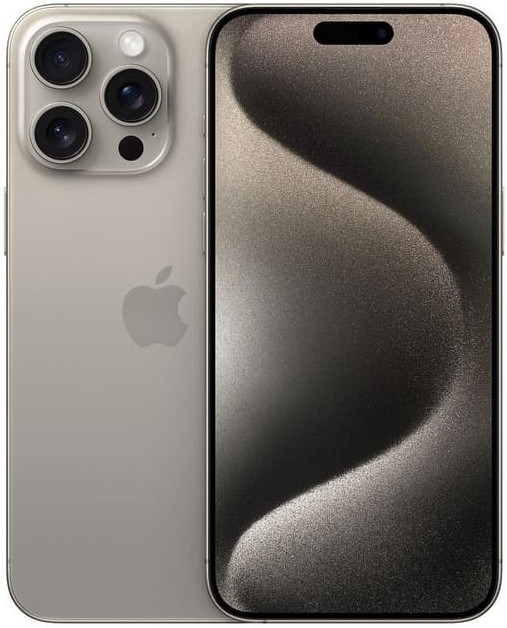


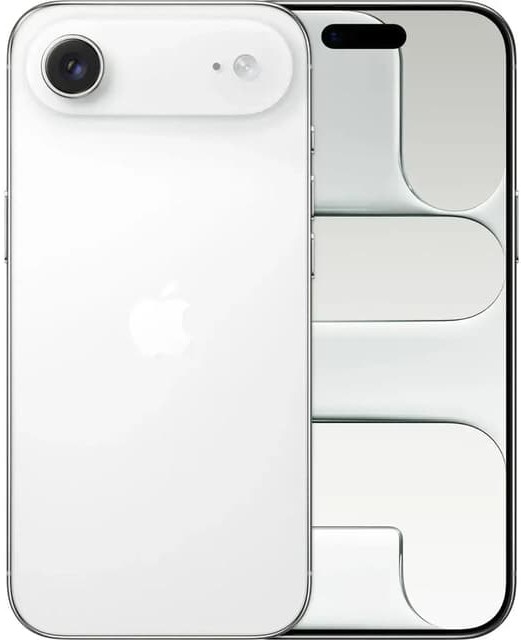


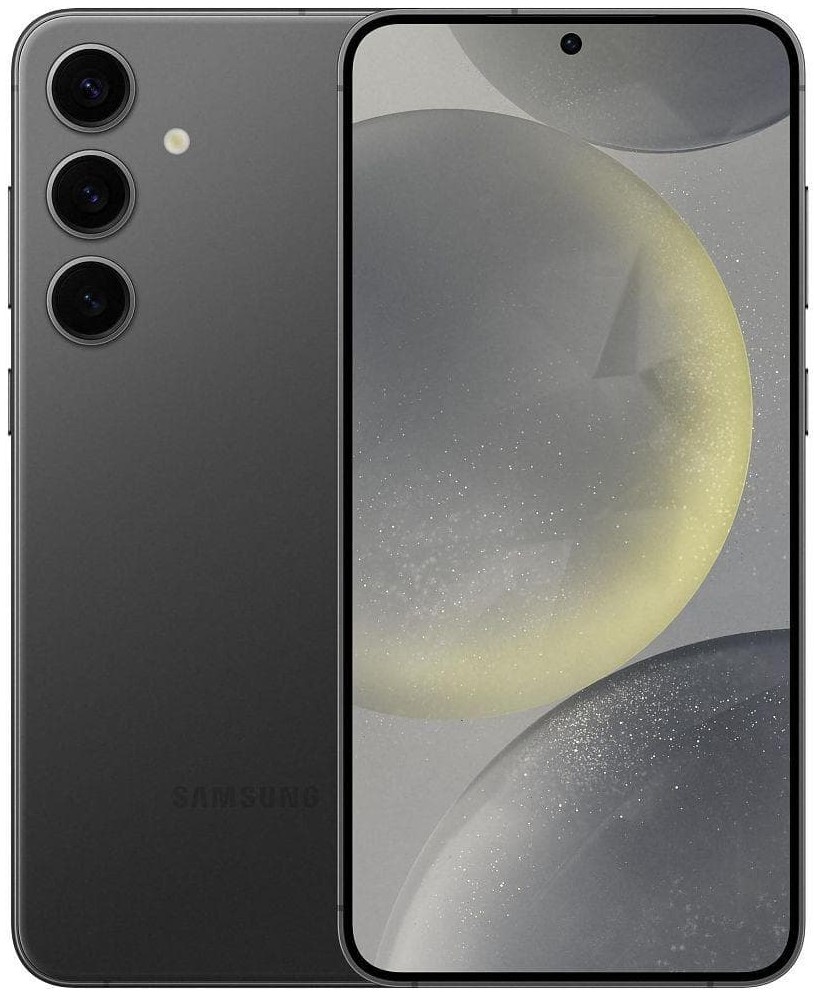




Free UK Delivery

12 months warranty

Good for the Planet, Great for You

Tested Refurbished
What “Good Value” Actually Means for an Inexpensive Phone
Search for a good inexpensive phone and you will find hundreds of options claiming to be the best. But value isn’t just the number on the price tag – it’s what you get for that money, and how long it lasts. A phone that’s a little cheaper but needs replacing in eight months isn’t better value than one that costs a little more and runs smoothly for three years. At iExpert Market, we think about value as a simple equation: performance, reliability and longevity divided by price. This guide gives you the framework to apply that equation yourself, so you can compare any inexpensive cell phone on the market – not just the ones we sell – and know exactly what you’re getting.
Rather than handing you a single “best” pick, we’re going to walk through every spec that actually affects real-world value: processor, memory, camera, battery, display, connectivity, build quality and software support. By the end, you’ll be able to look at any listing for an inexpensive phone and immediately spot whether it’s genuinely good value or just cheap.
How We Rate Value at iExpert Market
Every device in our range starts life as a used or ex-display handset, which we grade through a multi-point inspection covering screen condition, battery health, camera function, charging port, buttons, network connectivity and software performance. Anything that doesn’t meet our standard is either refurbished to fix the issue or removed from sale entirely. This is what allows us to sell fully working, unlocked inexpensive phones you can trust, each backed by a 12-month warranty – giving you new-phone peace of mind without the new-phone price. You can read more about our process on our About Us page.
Processor and Performance: What Actually Matters
The processor (chipset) is the single biggest factor in how a phone feels to use day-to-day – more important than almost any other spec on this list. An inexpensive phone with a two or three generation old flagship chipset will comfortably outperform a brand-new phone with a bargain-basement processor. When comparing spec sheets, look at the chipset generation and release year rather than the phone’s own release date: a refurbished handset with a strong chip from a recent generation often out-performs a “new” budget phone running weaker, older silicon. Ask what the phone is capable of – smooth multitasking, app switching without reloading, and handling everyday updates – rather than focusing on benchmark numbers alone.
RAM and Storage: Finding the Sweet Spot
RAM determines how many apps a phone can hold in memory at once, and storage determines how much you can keep on the device itself. For most users, 4GB of RAM is the practical minimum for smooth day-to-day use in 2026, with 6GB or more preferable if you multitask heavily or use demanding apps. On storage, 64GB is workable for light use, but 128GB gives meaningfully more breathing room for photos, apps and updates without constantly managing space. When you’re comparing inexpensive phones, a jump from 64GB to 128GB storage is very often better value than a jump in camera megapixels – it’s the difference you’ll notice every single day.
Camera Quality on a Budget: Megapixels Aren’t Everything
It’s tempting to compare phones purely on megapixel count, but camera quality on an inexpensive phone is determined far more by sensor size, aperture and image processing software than by raw resolution. A well-tuned 12MP sensor will frequently outperform a poorly optimised 50MP one, especially in low light. When judging value, look for optical image stabilisation, a wide aperture (a lower f-number is better), and check real sample photos rather than relying on spec sheets alone. If photography is a priority, our second hand iPhones range offers some of the strongest camera systems available at accessible prices.
Battery Life and Battery Health
Battery capacity (measured in mAh) is only half the story on a used or refurbished device – battery health matters just as much. A phone with a larger battery but degraded health can perform worse day-to-day than a smaller battery at full health. This is why every phone we sell is tested for battery performance before listing, and any unit that doesn’t meet our health threshold is fitted with a replacement battery. When shopping elsewhere for an inexpensive phone, always ask specifically about battery health percentage on used devices – it’s one of the most commonly overlooked value factors.
Display Quality: Resolution, Refresh Rate and Size
Screen quality affects everything from readability to battery drain. Full HD+ resolution (around 2400 x 1080) is the sensible minimum for a genuinely good inexpensive phone in 2026 – anything lower will look noticeably soft, particularly on text. Refresh rate is the next consideration: a 90Hz or 120Hz display makes scrolling and animations feel dramatically smoother than the standard 60Hz, and increasingly appears even on accessibly priced handsets. Panel type matters too – an OLED or AMOLED screen delivers deeper blacks and better contrast than an LCD panel, plus lower power draw, which extends real-world battery life.
5G, Connectivity and Network Compatibility
Not every inexpensive phone needs 5G – if your area has strong 4G coverage or you mainly use Wi-Fi, a 4G-only device can represent better value by redirecting that cost saving elsewhere. That said, 5G support does future-proof a device and can improve data speeds in supported areas. Always check that a phone is genuinely unlocked and compatible with UK networks before buying – every device we sell is fully unlocked and tested across major UK carriers, so you can pick any SIM-only plan or use our pay monthly options without restriction. If you specifically need a SIM-free handset ready to use immediately, browse our SIM free mobile phones range.
Build Quality and Durability
A phone that feels good in the hand and survives daily knocks is worth more over its lifetime than one that needs a case from day one to stay intact. Look for an aluminium or glass-and-metal build over all-plastic construction where budget allows, and check for an official IP water and dust resistance rating – even a modest IP53 rating meaningfully reduces the risk of a costly accident. Screen glass quality (such as Gorilla Glass) is another value indicator that’s easy to overlook but expensive to ignore if the phone is dropped.
Software Support and Security Updates
This is one of the most underrated value factors of all. A phone that stops receiving security updates after a year is a phone you’ll likely need to replace sooner, no matter how good the hardware is. When comparing inexpensive phones, check how many years of software and security updates the manufacturer commits to. Devices from major brands like Apple and Samsung typically receive considerably longer support windows than budget-only brands, which is a key reason refurbished flagship devices can offer better long-term value than a brand-new entry-level phone.
New vs Refurbished: Which Gives Better Value?
A brand-new entry-level phone and a refurbished previous-generation flagship often cost a similar amount – but they are rarely equal in value. The refurbished flagship typically wins on camera quality, build materials, processor power, display quality and software support length, simply because it was originally engineered to a higher standard. The trade-off is a slightly older design and, on used units, some cosmetic wear (which we grade and disclose clearly). For most buyers prioritising genuine day-to-day performance over having the newest release, a well-tested refurbished device is the stronger value choice. Our cheap smartphones range is built entirely around this principle.
iOS vs Android: Value Considerations
Neither platform is universally better value – it depends on your priorities. iPhones tend to hold resale value for longer and receive extended software support, which can make a refurbished iPhone excellent long-term value despite a higher upfront cost than an equivalent Android device. Android offers a wider spread of price points and hardware configurations, so it’s often easier to find a close match to your specific needs and budget. If you’re comparing directly, our cheap Android phones and second hand iPhones guides break down the value case for each platform in more detail.
Entry-Level, Mid-Range and Upper-Value Tiers Explained
Rather than ranking individual models, it helps to think in value tiers. The entry tier prioritises reliability and simplicity: solid call quality, decent battery life and enough storage for everyday apps and photos, ideal for light users, first phones, or as a reliable spare. The mid tier adds noticeably better cameras, faster processors and higher-resolution, higher-refresh-rate displays – the sweet spot for most everyday buyers who want strong day-to-day performance without paying flagship prices. The upper-value tier consists of refurbished former-flagship devices: phones that were originally premium models, now available at a fraction of their original price, offering the strongest specs-per-pound of any category. Understanding which tier actually matches your needs, rather than assuming higher is always better, is the fastest way to avoid overspending.
Spec Comparison Table: What Matters Most by Tier
| Factor | Entry Tier | Mid Tier | Upper-Value Tier (Refurbished Flagship) |
|---|---|---|---|
| RAM | 3–4GB | 4–6GB | 6GB+ |
| Storage | 32–64GB | 64–128GB | 128GB+ |
| Display | HD, 60Hz | Full HD+, 90Hz | Full HD+/QHD, OLED, 90–120Hz |
| Camera | Basic single lens | Dual/triple lens, OIS | Flagship-grade multi-lens system |
| Build | Plastic | Metal frame, glass back | Premium metal & glass, IP rated |
| Best for | Light use, spares, first phones | Everyday use, families | Power users, photography, longevity |
This table is a starting framework, not a fixed rulebook – always check the individual listing’s exact specification, and on refurbished devices, its condition grade and battery health.
Hidden Costs to Watch For When Buying an Inexpensive Phone
The purchase price is only part of the total cost of owning a phone. Watch for: chargers and cables sold separately (many budget new phones now exclude these from the box); short or unclear warranty terms that leave you paying for repairs within the first year; locked-network handsets that restrict which SIM you can use; and devices with limited software update windows that force an earlier-than-expected upgrade. Every phone from iExpert Market is sold unlocked, comes with a 12-month warranty as standard – see our full warranty policy – and has been tested to confirm it will keep working reliably, not just at the point of sale.
Why Refurbished Devices From iExpert Market Offer Genuine Value
Refurbished doesn’t mean compromised. Every device we sell has been fully inspected, tested and, where necessary, repaired to a strict internal standard before it’s listed for sale. That includes battery health checks, screen and camera function tests, and a full cosmetic grading so you know exactly what condition to expect. Because these are previously-owned devices rather than newly manufactured ones, we can offer genuinely premium specifications – the kind of processor, camera and build quality normally reserved for expensive flagship phones, at genuinely accessible prices. Browse the full range of phones for sale to see current stock across every value tier.
How to Avoid Common Value Traps
The most common mistake buyers make is comparing phones on a single headline spec – usually price or camera megapixels – without checking the rest of the specification. A phone that looks like a bargain on price alone can turn out to have insufficient storage, a weak processor, or no warranty cover. Always cross-check at least four factors together: processor generation, RAM/storage, battery health (on used devices) and warranty terms. If a listing is vague on any of these, treat that as a warning sign rather than an oversight.
Accessories and Total Cost of Ownership
When calculating true value, factor in what you’ll need beyond the handset itself: a case, screen protector, and possibly a charging cable if one isn’t included. These typically add a modest amount to your overall spend, but skipping them – particularly a case and screen protector for a device you plan to keep for years – often ends up costing more in repairs later. An inexpensive screen protector is far cheaper than a cracked-screen repair, and it directly protects the resale or trade-in value of the device down the line.
Value by Use Case: Matching the Phone to the Person
The “best” inexpensive phone genuinely depends on who’s using it. A student or light user prioritising reliability and battery life over cutting-edge features will find excellent value in an entry-tier device. Families buying a first phone for a child often want the same – durability and simplicity over top-end specs. Professionals who rely on their phone for work benefit most from the upper-value tier, where processor speed and multitasking capability directly affect productivity. And if you’re buying for an older relative who wants a simple, easy-to-use device, our dedicated simple phones and SIM-free ranges are worth a look alongside this guide.
Trade-In and Resale Value Over Time
Value doesn’t stop at the point of purchase – it continues for as long as you own the device, and even affects what you can recoup when you eventually upgrade. Devices from brands with strong build quality and longer software support windows (particularly iPhones and Samsung flagships) tend to retain resale value considerably better than budget-only brands, which often depreciate to near-zero within two to three years. Factoring resale value into your decision can make a slightly higher upfront spend the genuinely cheaper option over a three-to-four-year ownership period.
The Environmental Value of Choosing Refurbished
There’s a value dimension beyond pounds and pence: every refurbished phone sold is one fewer device manufactured from raw materials, and one fewer device sent to landfill. Smartphone production is resource-intensive, so extending a device’s usable life through refurbishment has a genuinely positive environmental impact alongside the financial saving. If sustainability factors into your buying decision, choosing a well-tested refurbished inexpensive phone delivers value on both fronts at once.
How We Test Every Phone for Genuine Value and Reliability
Before any device reaches our shop, it goes through a structured multi-point check: power and startup, display and touch response, front and rear camera function, battery health and charging performance, speaker and microphone quality, Wi-Fi, Bluetooth and mobile network connectivity, buttons and ports, and a full software reset and update. Devices that don’t meet our standard are either professionally repaired or removed from sale. This process is what lets us confidently back every phone with a 12-month warranty, and it’s the foundation of the value promise behind everything in this guide.
Your Value Checklist Before You Buy
Before purchasing any inexpensive phone, run through this checklist: is the processor generation recent enough for smooth daily use? Is there at least 64GB of storage, ideally 128GB? Is the device genuinely unlocked for any UK network? What is the battery health, if it’s a used device? How many years of software updates remain? Is there a warranty, and what does it cover? Answering these six questions takes a few minutes and will tell you more about genuine value than the price tag alone ever could. Once you’re ready to compare specific models side by side, our Best Budget Smartphones guide ranks our top picks across every price point, all tested to the standard described above.
Reading a Spec Sheet Like a Pro
Manufacturer spec sheets can be dense, but a handful of details tell you almost everything you need to know about real-world value. Start with the chipset name and check its release year rather than trusting marketing terms like “next-gen” or “advanced” – these phrases carry no fixed meaning. Next, check RAM and storage together, not separately; a phone with generous storage but too little RAM will still feel sluggish when multitasking. For the display, look past the headline size and check resolution and panel type, since two phones with an identical screen size can look completely different in daily use. Finally, check the battery capacity alongside the screen technology – an OLED display paired with a modest battery can outlast an LCD display paired with a larger one, because OLED panels draw less power for dark content.
Questions to Ask Before You Buy Any Inexpensive Phone
Whether you’re buying from us or anywhere else, a short list of direct questions will protect you from a poor-value purchase. Ask: what condition grade is this device, and what does that grading mean in practice? Is the battery original or replaced, and what is its current health percentage? Is the phone unlocked, and to which networks was it originally locked? What exactly does the warranty cover, and for how long? Are the charger and cable included, or sold separately? A seller who can answer all five clearly and confidently is far more likely to be offering genuine value than one who can’t.
Value Beyond the Spec Sheet: Support and After-Sales Care
A phone’s value doesn’t end when the purchase completes. What happens if something goes wrong six months in? Reputable sellers offer straightforward warranty claims, clear returns processes and responsive customer support – and these things are genuinely part of the price you’re paying, even if they don’t appear on a spec sheet. A slightly cheaper phone from a seller with no real after-sales support can end up costing far more in time, stress and potential repair bills than a marginally pricier device backed by a proper warranty and a team who will actually help if there’s an issue. When you buy from iExpert Market, that support is included as standard, not an optional extra.
Common Value Misconceptions, Debunked
“Bigger battery always means better battery life” – not necessarily; screen efficiency and software optimisation often matter more than raw mAh. “More cameras means better photos” – a single well-engineered lens frequently beats three mediocre ones. “New is always safer than refurbished” – a professionally tested and warrantied refurbished phone from a reputable seller is typically more reliable than an untested new device from an unknown third-party marketplace seller. Understanding where these assumptions break down is often the difference between an average purchase and genuinely excellent value.
Why Buy Your Inexpensive Phone From iExpert Market
We built this guide because we believe informed buyers make better decisions – and better decisions build trust. Every phone in our range, from entry-level to refurbished flagship, has passed the same rigorous testing process, comes fully unlocked, and is backed by a 12-month warranty as standard, with transparent, accessible pricing. Our team is on hand if you have questions about a specific model’s specification or condition grade before you buy – find out more about who we are on our About Us page, or head straight to our full range of phones for sale to start comparing.
FAQs About Choosing an Inexpensive Cell Phone
A cheap phone is simply low-priced; a good value inexpensive phone offers strong performance, reliability and longevity for that price. Value comes from the balance of processor, storage, battery health and warranty cover, not the price tag alone.
4GB is the practical minimum for smooth everyday use in 2026. If you multitask heavily, switch between apps often, or use demanding apps, look for 6GB or more to avoid slowdowns and app reloading.
64GB is workable for light users, but 128GB gives noticeably more breathing room for photos, apps and updates. For most buyers, the jump to 128GB is one of the best-value upgrades available on an inexpensive phone.
No. Sensor size, aperture and image processing software affect photo quality far more than megapixel count. A well-tuned 12MP camera often outperforms a poorly optimised 50MP one, especially in low light.
Ask the seller directly for the battery health percentage, and confirm whether the original battery has been replaced. At iExpert Market, every device is tested for battery performance before listing, so you always know what to expect.
Often, yes. A refurbished flagship typically has a stronger processor, better camera, higher-quality build and longer software support than a brand-new entry-level phone at a similar price point.
Not necessarily. If you have strong 4G coverage or mainly use Wi-Fi, a 4G-only device can be better value. 5G is worth prioritising if you want future-proofing or live in an area with strong 5G coverage.
A 90Hz or 120Hz display feels noticeably smoother than standard 60Hz when scrolling or using apps. It’s increasingly available even on accessibly priced phones and is a worthwhile upgrade where budget allows.
This varies significantly by brand. Devices from Apple and Samsung typically receive longer support windows than budget-only brands, which is a key reason refurbished flagship phones can offer better long-term value.
Yes. Every phone we sell is fully unlocked and tested across major UK networks, so you’re free to use any SIM-only plan or one of our pay monthly options without restriction.
Every device includes a 12-month warranty as standard, alongside our multi-point testing process covering battery, camera, display, connectivity and more. Full details are available on our warranty policy page.
It depends on priorities. iPhones tend to hold resale value and receive longer software support, while Android offers a wider spread of price points and configurations. Both can represent excellent value depending on your needs.
Watch for chargers sold separately, unclear warranty terms, network-locked handsets, and limited software update windows. These hidden costs can quickly erase any upfront saving on an inexpensive phone.
Consider how you’ll use the phone. Light users benefit from the entry tier’s reliability, everyday users get the best balance from the mid tier, and power users or photography fans get the most from upper-value refurbished flagships.