
Cheap Smartphones UK
iExpert Market, the UK’s trusted home for cheap smartphones and genuine smart phone deals – new and professionally refurbished, from every major brand, starting from just £59. If you’ve assumed “cheap” and “smart” don’t really belong in the same sentence, it’s worth updating that assumption: today’s cheap smartphones carry more genuine capability than the word “budget” tends to suggest, and this page is built to show you exactly what you’re actually getting at every price point, not just the headline number.
We’ll walk through what makes a phone genuinely “smart” versus just cheap, which features survive at each price tier, real smartphone deals you can act on today, and everything worth checking before you buy – whether that’s a brand-new entry-level Android or a professionally graded refurbished flagship. Browse our full cheap mobile phones range to start shopping now, or keep reading for the complete picture.
Sort by:
Sort

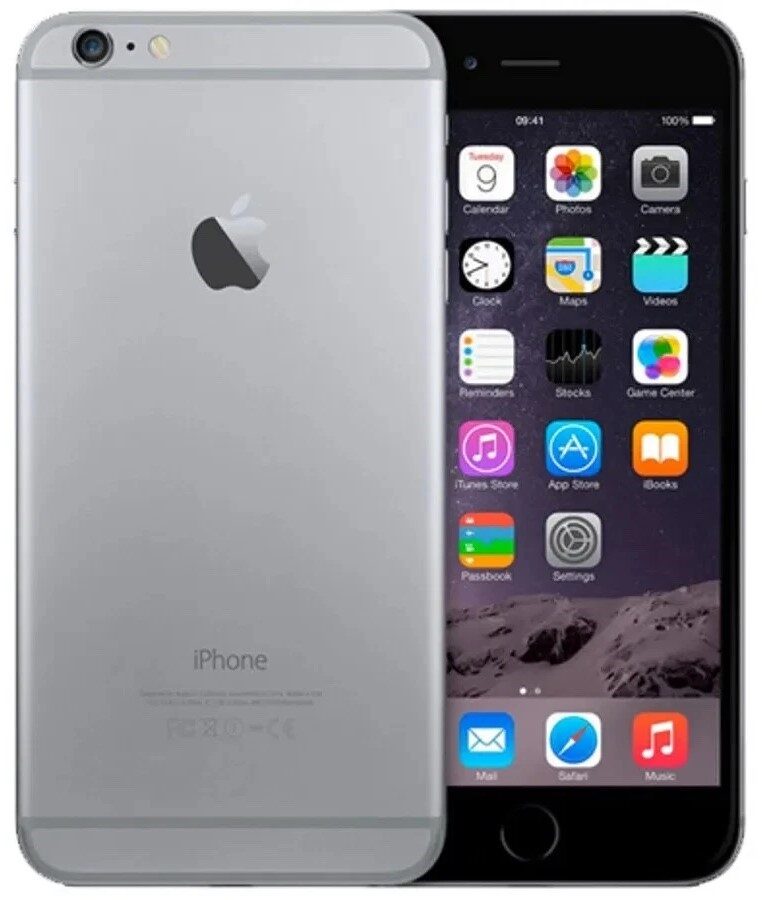

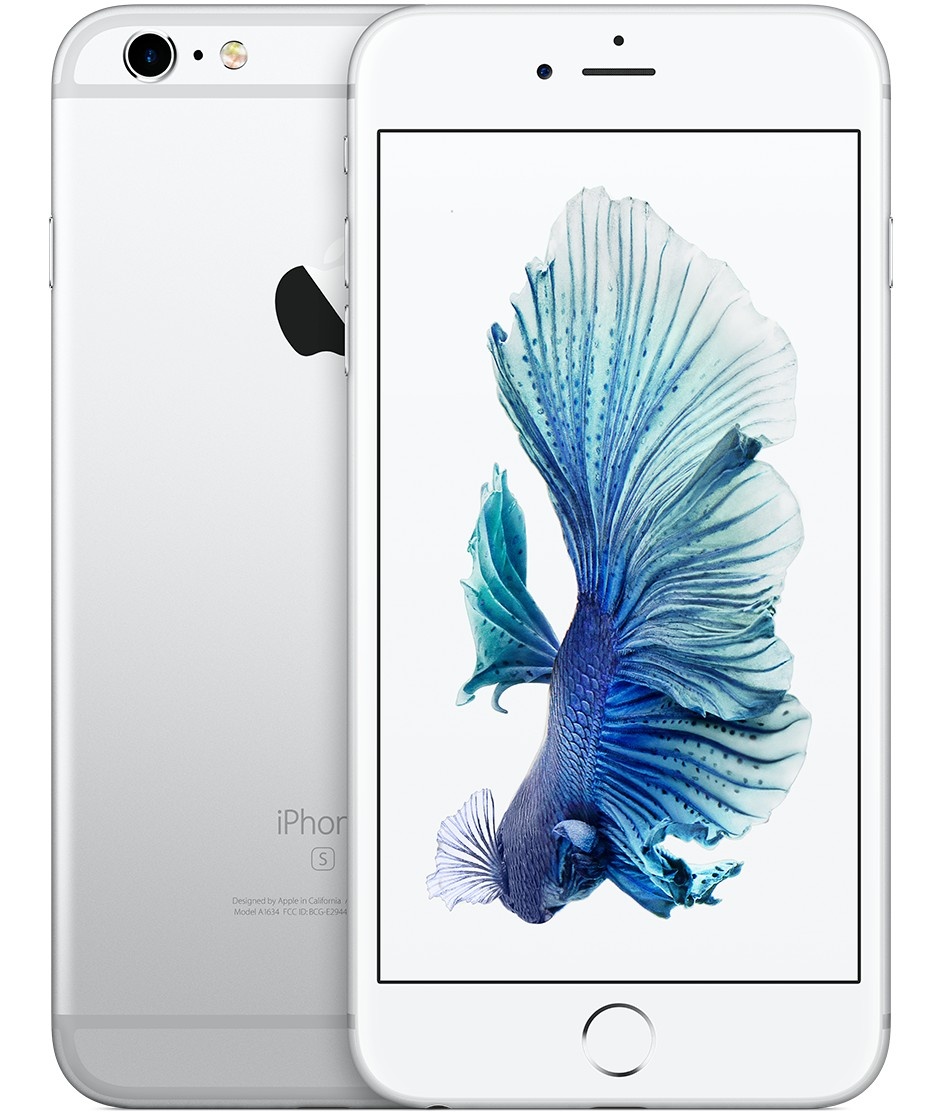


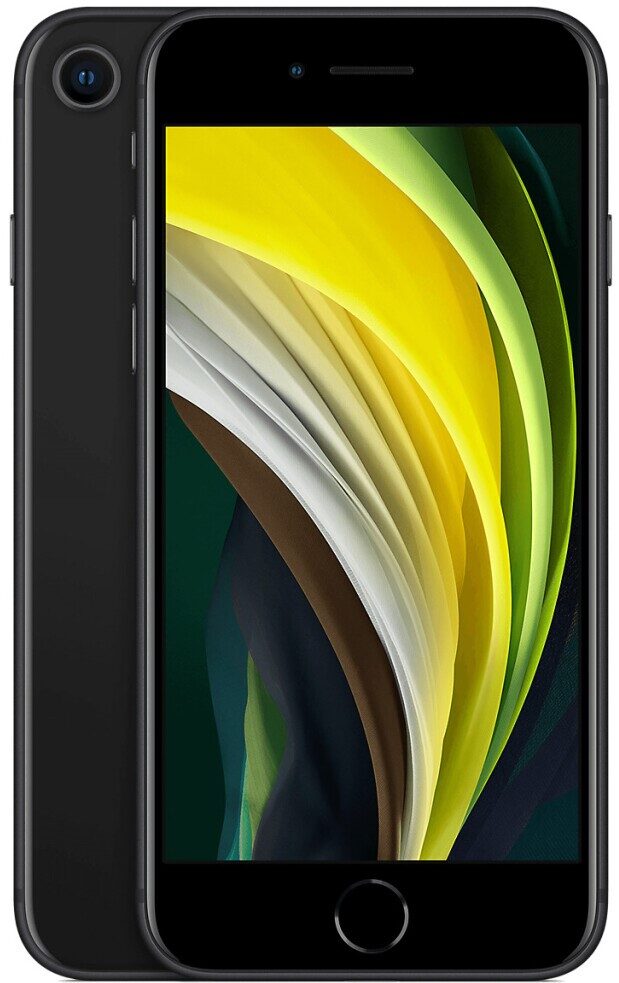


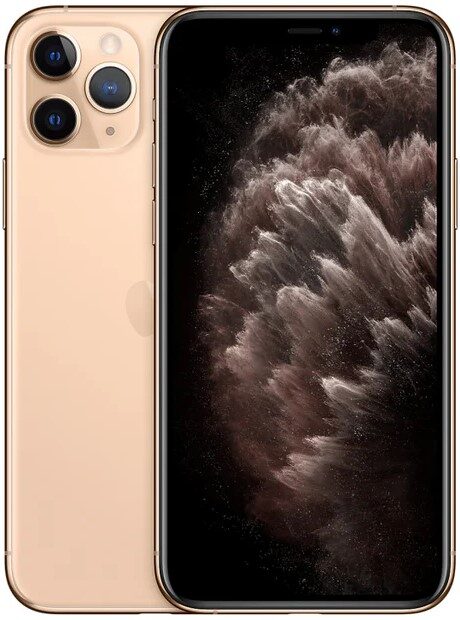


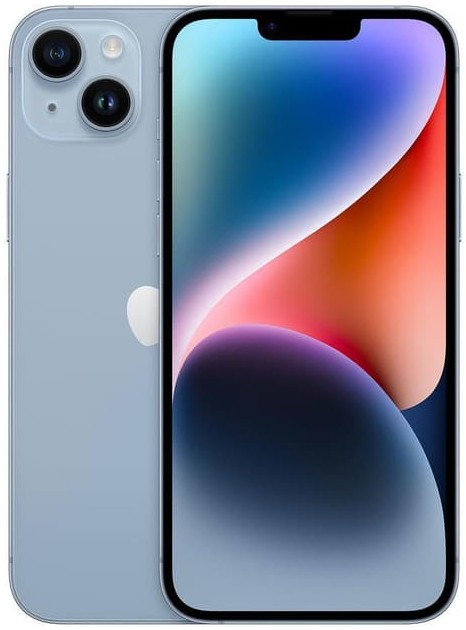




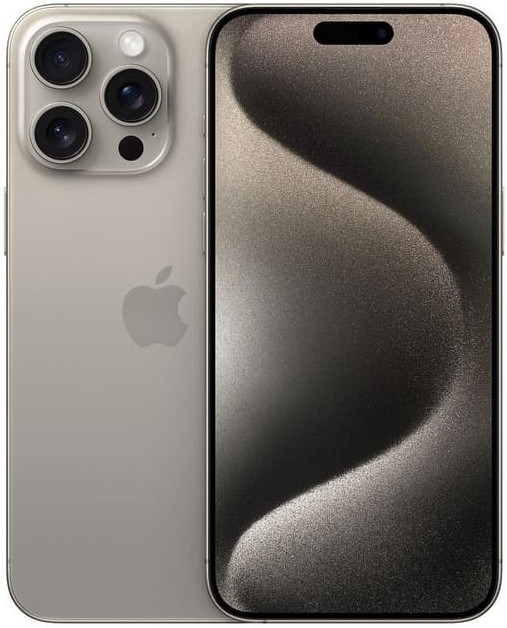


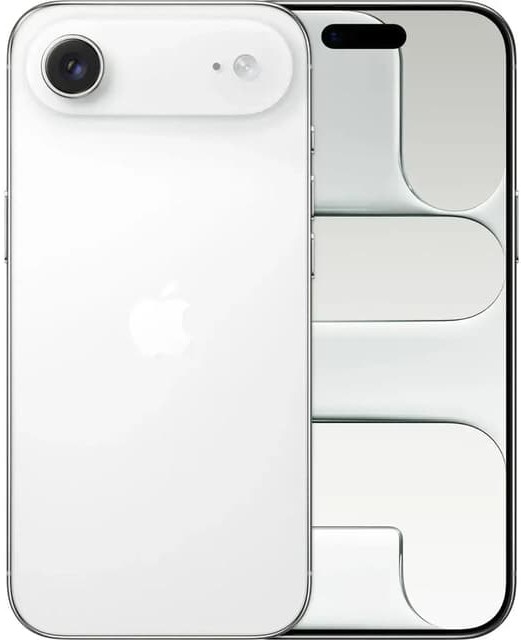


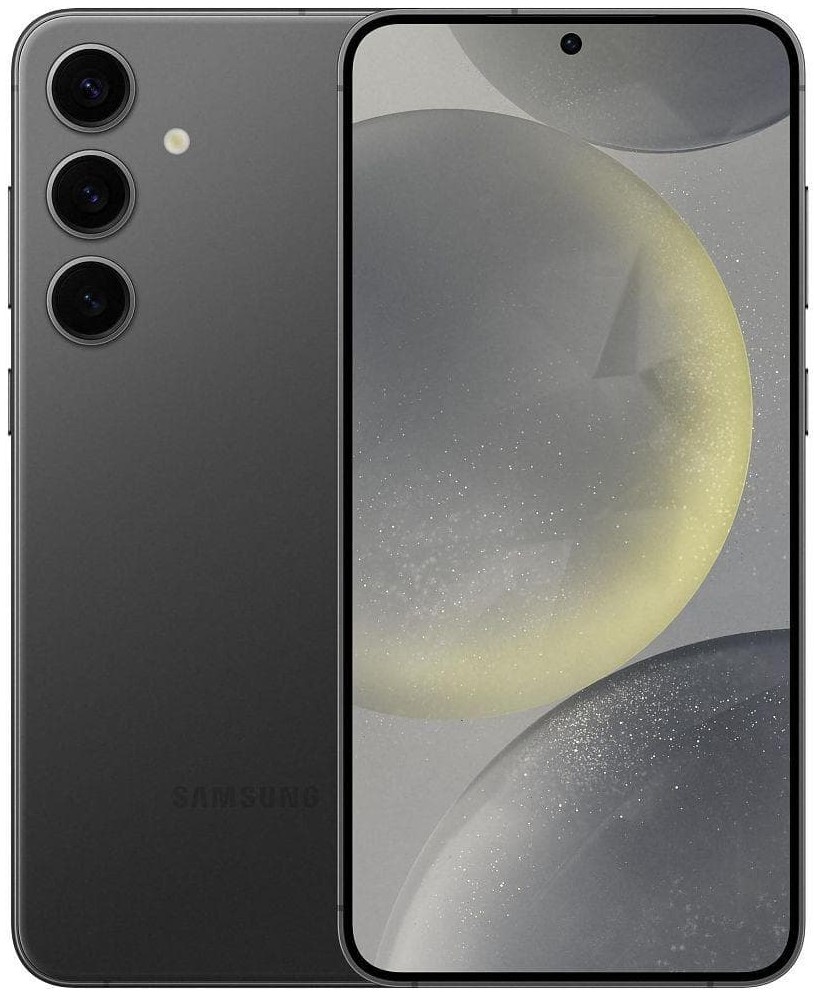




Free UK Delivery

12 months warranty

Good for the Planet, Great for You

Tested Refurbished
What Actually Makes a Cheap Smartphone “Smart”?
It’s worth being specific about this, because “smartphone” as a word has quietly come to mean something considerably more capable than it did even five years ago, and a lot of that capability now survives at genuinely cheap price points. A phone earns the “smart” label through a combination of things: an app ecosystem that runs full versions of the software you actually use daily (banking, streaming, messaging, navigation), meaningful internet connectivity beyond basic browsing, computational photography that processes images intelligently rather than just capturing raw sensor data, biometric security like fingerprint or face unlock, and increasingly, on-device AI features that used to be exclusive to flagship devices.
The honest answer to “what do you lose by going cheap” is narrower than most people assume. You typically lose top-tier low-light camera performance, the very latest chipset speed for demanding games, and sometimes premium build materials like glass-and-metal construction in favour of durable plastic. What you don’t lose, in the vast majority of current cheap smartphones, is 5G connectivity, a genuinely smooth day-to-day experience, a capable everyday camera, and several years of security updates from reputable manufacturers.
Smart Features That Survive at a Cheap Price – And What Doesn’t
5G connectivity is now standard on the overwhelming majority of current cheap smartphones, including models priced under £150 – a genuine shift from just a few years ago when 5G was reserved for mid-range and flagship devices only. This matters more than it might seem: faster mobile data isn’t just about download speed, it also tends to mean more stable connections in busier areas and better performance when hotspotting from your phone.
Biometric security – fingerprint sensors and face unlock – is essentially universal now, even on entry-level devices, meaning you’re not sacrificing genuine day-to-day convenience or security to save money. This is a genuine shift from the era when fingerprint sensors were a mid-range-and-above feature; today, even a £69 phone typically includes one.
Fast charging has trickled down considerably. Several cheap smartphones now support 30W or faster wired charging, a feature that was flagship-exclusive not long ago, and it makes a genuinely noticeable difference to daily convenience compared with the slow overnight-only charging that used to define the budget end of the market.
AI-assisted photography is one of the more genuinely surprising areas of trickle-down. Manufacturers increasingly bring some form of computational photography processing – noise reduction, scene recognition, portrait mode, night mode – down into their budget ranges, even if the underlying camera hardware is more modest than a flagship’s. The processing software often does more to lift real-world photo quality than the sensor spec sheet alone would suggest.
Software update commitments have also improved meaningfully at the cheap end. Where budget phones a few years ago might receive one or two years of updates before being abandoned, Samsung and Google in particular now extend multi-year commitments even to their most affordable current models – a genuinely important, if less headline-grabbing, form of “smart” that protects your investment long after purchase.
What genuinely doesn’t survive: the most demanding chipset performance (heavy gaming, video editing directly on the phone), true optical zoom camera hardware, premium build materials like Gorilla Glass Victus and aluminium frames (though some cheap phones, like Motorola’s G-series, do include genuine IP68/69 durability ratings even at low prices), and the very longest software update commitments – though, again, Samsung and Google both now offer multi-year update promises even on their cheapest current models, narrowing this gap considerably.
Common Misconceptions About Cheap Smartphones
“A cheap smartphone can’t really be smart.” This assumption is genuinely out of date. As covered above, 5G, biometric security, computational photography and multi-year update support are now standard across most of the cheap smartphone market, not exclusive to flagships.
“You need the newest model to get genuinely smart features.” Often the opposite is true once refurbished is on the table. A two or three-year-old flagship, bought refurbished, typically includes considerably more advanced smart capability – better cameras, faster charging, more premium build – than a brand-new entry-level phone at the same price.
“Cheap smartphones are a security risk.” Provided you choose a phone from an established manufacturer with a genuine update commitment, this isn’t the case. The operating system and core security model (encryption, app permissions, biometric authentication) are largely consistent across price tiers on both Android and iOS.
Who a Cheap Smartphone Genuinely Suits
A cheap smartphone makes particular sense for anyone replacing a lost or broken phone urgently, a parent buying a first device for a child or teenager, anyone who wants a reliable spare or backup phone, and anyone who’s realised they’ve been paying flagship prices for smart features they rarely use in practice. It’s a less natural fit for serious mobile gamers, professional or semi-professional photographers who need genuine optical zoom, or anyone who specifically wants the very latest chipset for demanding creative work directly on their phone – in those cases, a refurbished recent flagship from our premium tier is usually the smarter route than the absolute cheapest option available.
Cheap Smartphones by Price Tier – What You Actually Get
Under £100
At this tier, expect a large, clear display, dependable all-day battery life, 5G on most current models, and a capable-for-calls-and-messaging camera. Chipsets are entry-level, so heavy multitasking or gaming isn’t the strength here – but for the core smartphone experience (browsing, social media, messaging apps, streaming), this tier delivers considerably more than the price suggests.
£100-£200
This is where AMOLED displays become common, battery capacity often grows to 5,000mAh or more, and cameras start including genuine computational photography processing rather than just a basic sensor. Software update commitments also tend to improve meaningfully at this tier, particularly from Samsung.
£200+ (Premium Refurbished)
Buying refurbished is what unlocks genuinely flagship-level smart features at a cheap-adjacent price – think Google’s class-leading computational photography, Samsung’s fastest charging speeds, or a recent iPhone’s chipset and software polish, all at 40-70% below original RRP.
Today’s Smartphone Deals – New and Refurbished
Prices below reflect current stock and are checked regularly – always confirm the live price on the individual product page before buying.
| Smartphone Deal | Condition | Price | Standout Smart Feature |
|---|---|---|---|
| Samsung Galaxy A07 | Refurbished | From £69-£89 | Large display, dependable battery |
| Motorola Moto G-series | New | From £89 | IP68/69 durability, near-stock Android |
| Xiaomi Redmi A-series | New | From £69-£79 | Dual-SIM, large battery for the price |
| Samsung Galaxy A26/A36 | New | From £150-£280 | AMOLED display, multi-year updates |
| Google Pixel (refurbished) | Refurbished | From £250-£300 | Class-leading AI camera processing |
| iPhone SE / recent iPhone | Refurbished | From £150-£350 | iOS polish, long software support |
These prices reflect the genuine spread across our current cheap smartphone range, and the pattern worth noticing is how much smart capability moves with condition rather than just price alone. A £280 refurbished Pixel and a £280 new mid-range Android phone will often deliver noticeably different camera and processing experiences, even at an identical price point – which is exactly why comparing by feature and condition, not just the headline number, tends to lead to the smarter purchase.
New vs Refurbished – Where the Smart Money Actually Goes
If your priority is a brand-new, sealed device with full manufacturer warranty, new is the straightforward choice, and today’s new cheap smartphones deliver considerably more capability than equivalent devices did even two or three years ago. But if your priority is maximum smart capability for the money, refurbished is where the real value sits – a professionally graded refurbished Google Pixel or Samsung Galaxy flagship gives you genuinely superior cameras, chipsets and displays compared with buying new at the same price point, simply because you’re accessing hardware that was never designed to be “cheap” in the first place.
Every refurbished smartphone we sell passes a full multi-point inspection – screen, battery health, cameras, speakers, charging port, buttons, Wi-Fi and Bluetooth – before being honestly graded:
- Like New – looks and performs like new, no visible wear, battery health 90%+
- Good – light signs of use only, fully functional, battery health 85%+
- Fair – visible cosmetic wear but fully tested and reliable, battery health 80%+, our best-value tier
Every grade, including Fair, is fully functional and covered by the same 12-month warranty – the grade reflects appearance only, never the phone’s underlying smart capability.
Chipsets, Displays and Cameras – The Technical Side of “Smart,” Explained Simply
It helps to understand what’s actually behind the “smart” label rather than just trusting marketing copy, particularly when comparing similarly priced phones from different brands.
Chipset: The processor is what determines how smoothly a phone handles everyday multitasking, app switching and light gaming. At the cheap end, chipsets from MediaTek’s Helio and Dimensity families, or entry-level Qualcomm Snapdragon processors, are the norm. The real-world difference between them tends to be smaller than benchmark scores suggest – software optimisation often matters more than raw chipset numbers, which is part of why some cheap phones feel noticeably smoother than their spec sheet alone would predict.
Display technology: AMOLED panels deliver deeper blacks, better outdoor visibility and lower power consumption when showing dark content, compared with the LCD panels still common at the very cheapest price points. AMOLED has become increasingly available even in the £100-£200 bracket, which is genuinely one of the clearest signs of “smart” features trickling down the price ladder.
Camera systems: Megapixel count is largely a marketing figure, even at the budget end. What actually determines real photo quality is sensor size and whether the camera includes optical image stabilisation (OIS) – a 50MP sensor with OIS will typically outperform a 108MP sensor without it, particularly once lighting drops. Computational photography processing, as covered above, is now doing meaningful work to lift image quality even where the underlying hardware is modest.
RAM and storage: 4GB of RAM comfortably handles calls, messaging and browsing; 6GB or more gives noticeably smoother multitasking even at cheap price points. 64GB of storage is a realistic minimum for everyday use once the operating system and pre-installed apps are accounted for, with 128GB giving considerably more room if you take a lot of photos or video.
Cheap Smartphones by Brand
Samsung currently offers the strongest combination of smart features at a genuinely cheap price across its A-series – AMOLED displays, multi-year software update commitments typically running four to six years even on budget models, and a camera system that increasingly punches above its price thanks to Samsung’s own image processing. Browse our Samsung deals.
Google Pixel remains the clearest example of “smart” trickling down from flagship to cheap once you buy refurbished – the same Tensor chip computational photography found on considerably pricier phones becomes accessible at a fraction of the original cost, alongside Google’s own multi-year update promise, extending up to seven years on newer models.
Apple – a refurbished iPhone brings genuine iOS polish, App Store consistency, and Apple’s long-standing software support track record into cheap smartphone territory, something no new phone at this price point can match. Every refurbished iPhone we sell is confirmed fully signed out of iCloud and free of Activation Lock before it reaches you. Browse our iPhone deals.
Motorola stands out specifically for durability at the cheap end – genuine IP68/69 water and dust resistance on several models, alongside clean, near-stock Android software free of unnecessary bloatware, which itself contributes meaningfully to how smooth and “smart” the day-to-day experience feels regardless of raw chipset specs.
Xiaomi, Nokia and OnePlus round out the cheap smartphone market with straightforward, dependable options across a range of price points – each bringing their own particular strength, whether that’s Xiaomi’s aggressive pricing, Nokia’s build reliability, or OnePlus’s typically faster charging speeds relative to price. Browse the full Android range to compare every brand side by side.
Smartphone Deals vs Network Contract Deals – Know the Difference
When people search “smartphone deals,” a lot of what appears is actually network contract advertising – a phone bundled with a monthly airtime plan over 24 months. It’s worth understanding how that differs from what you’ll find here, because the two aren’t really the same type of deal at all.
A network contract deal bundles the phone and your airtime (calls, texts, data) into a single monthly bill, typically over 24 months, with a full credit check required and, on most major networks, an annual mid-contract price increase. You don’t fully own the handset until the contract ends.
Every smartphone deal on this page is different: you’re buying the phone itself, outright, with no airtime bundled in and no lengthy commitment attached. You then pair it with whichever SIM-only plan genuinely suits your usage, completely separately. This typically works out cheaper over a full 24-month period, particularly on Android devices, since you avoid the effective financing markup built into bundled contract pricing – and you keep the flexibility to switch networks or SIM-only providers whenever a better deal comes along, something a contract simply doesn’t allow until the term ends.
Smart Ways to Buy a Cheap Smartphone
Being smart about buying a smartphone isn’t just about the device itself – it extends to how you pay and how you connect it. Every phone across our range is completely SIM-free and unlocked, meaning you’re free to pair it with whichever SIM-only deal genuinely suits your data usage, rather than being locked into a bundled network contract. You can also spread the cost of any purchase using Clearpay or Klarna at checkout, with no lengthy commitment and no full credit check required for short-term options – genuinely smart flexibility that most cheap smartphone shoppers don’t realise is available to them.
With Clearpay, your order splits into four equal payments taken every two weeks, interest-free. With Klarna, you can choose Pay in 3, Pay in 30 days, or in some cases a longer financing plan depending on the phone and your eligibility. Both options let you access smart features at a cheap phone’s price point without needing to pay the full amount in one go, and without signing away two years to a single network in the process.
Why Buying Cheap and Refurbished Is a Genuinely Smart Choice
Beyond the price saving, choosing a cheap or refurbished smartphone is a genuinely more sustainable way to buy technology. Manufacturing a single new smartphone carries a significant carbon footprint, and every refurbished device sold extends a phone’s usable life and keeps it out of landfill. For families, students, and small businesses equipping multiple people with reliable devices, this same logic scales – considerably more genuine smart capability can be achieved within the same overall budget than choosing new-only across the board.
There’s also a broader shift worth noting: buying refurbished no longer carries the stigma it once did. A growing share of UK smartphone buyers now actively choose refurbished as a first preference, driven by a mix of cost-of-living pressures, genuine environmental awareness, and – perhaps most importantly – the fact that refurbishment quality and grading transparency have improved dramatically, making a graded refurbished phone a confident purchase rather than a compromise.
What to Check Before Buying Any Cheap Smartphone
Confirm 5G support if it matters to you. Most current cheap smartphones include it, but some of the very lowest-priced models remain 4G only – check the individual listing rather than assuming.
Check disclosed battery health on any refurbished device. 80% or above should be the minimum you accept, and it’s the guaranteed floor across our Fair grade and upwards.
Look at RAM relative to your actual usage. 4GB is fine for calls, browsing and messaging; 6GB or more gives meaningfully smoother multitasking if you regularly switch between several apps.
Check the software update commitment. This varies significantly by brand – Samsung and Google typically lead even at the cheap end – and it matters more to a phone’s genuinely usable lifespan than almost any single hardware spec.
Confirm the warranty and returns terms. A 12-month warranty and a genuine returns window should be considered standard on any cheap smartphone purchase, never treated as a bonus.
Check whether the phone supports dual SIM or eSIM. Most current smartphones do, which is genuinely useful if you want to separate work and personal numbers, or keep a data-only travel SIM active without carrying a second device.
Confirm IMEI and account-lock status, especially if buying refurbished elsewhere. Every device we sell has already been checked and cleared of this, but it’s essential due diligence if you’re comparing listings from other, less established sellers.
Why Buy Your Cheap Smartphone From iExpert Market
Every phone we sell – new or refurbished, from every major brand – is unlocked and SIM-free as standard, professionally tested before listing, and backed by a full 12-month warranty regardless of price. We check every device’s IMEI against UK blacklist databases before it’s listed, and every refurbished iPhone is confirmed fully signed out of iCloud and free of Activation Lock before it reaches you. Cheap, with us, never means untested, unsupported, or a gamble on what you’re actually receiving.
Browse Our Full Smartphone Range
Explore our complete cheap mobile phones range, our full Android smartphones category, or browse our entire phones for sale hub covering every brand, condition and budget. Check our current cheap mobile phone deals for today’s live pricing, or explore our broader cheap phone overview if you’d like the full picture before deciding.
FAQs About Cheap Smartphones
In everyday UK usage, the terms are interchangeable – “smartphone” simply emphasises the device’s internet, app and camera capability, while “phone” is the more general term. Every device across our range qualifies as a genuine smartphone regardless of which term you search.
The majority of current cheap smartphones do, though some of the very lowest-priced models remain 4G only – always check the individual listing to confirm before buying.
Most current cheap smartphones include 5G, biometric security (fingerprint or face unlock), a capable everyday camera with some computational photography processing, and increasingly, fast charging – capabilities that were exclusively flagship features only a few years ago.
Often more so. A professionally graded refurbished flagship typically offers a considerably more capable camera, chipset and display than a brand-new phone at the same price point, since you’re accessing hardware that was originally built to a higher standard.
Yes – pricing is checked regularly and reflects current UK stock; always confirm the live price shown on the individual product page before completing a purchase.
Yes – every smartphone we sell, new or refurbished, includes a full 12-month warranty as standard, regardless of price or condition grade.
Yes – most of our range supports Clearpay or Klarna at checkout, letting you spread the cost with no lengthy contract and no full credit check required for short-term options.
Yes, every smartphone we sell is SIM-free and unlocked as standard, giving you complete freedom to use any UK network from day one.
Think about what you actually do daily rather than chasing every feature. If you mostly call, message and browse, 5G and biometric security cover the essentials. If photography matters more, prioritise a phone with disclosed OIS or a refurbished model with stronger computational photography. If battery anxiety is your main concern, look specifically at battery capacity and charging speed over other specs.
For most everyday tasks – calls, messaging, social media, streaming, browsing, banking apps – yes, genuinely. The gap has narrowed considerably, and it’s now mostly confined to demanding gaming, professional-grade photography, and the very latest chipset speed, none of which affect the majority of daily smartphone use.
Reputable manufacturers now commit to multi-year security update schedules even on their cheapest models – Samsung and Google in particular lead here, often matching or approaching their flagship update commitments even on entry-level devices.
Consider refurbished before assuming new is the only option – a professionally graded refurbished flagship very often delivers considerably more genuine smart capability than a brand-new entry-level phone at the same price, provided the seller discloses battery health and backs the device with a proper warranty.
For most everyday use, a well-chosen cheap smartphone genuinely covers the essentials – 5G, biometric security, a capable camera, and multi-year update support. Paying more makes the clearest sense specifically for demanding gaming, professional photography, or wanting the very newest chipset, rather than for the core smartphone experience most people rely on daily.
With reasonable care, most cheap smartphones last 2-4 years of daily use comfortably, with software update support – which varies significantly by brand – often the bigger practical limiting factor rather than the hardware itself wearing out.